Interview: "Whoever attacks with ballistic missiles always has the upper hand"
The air war with missiles presents the West with a dilemma: attackers produce more and cheaper than defenders, says Fabian Hoffmann. In an interview, the political scientist outlines solutions.
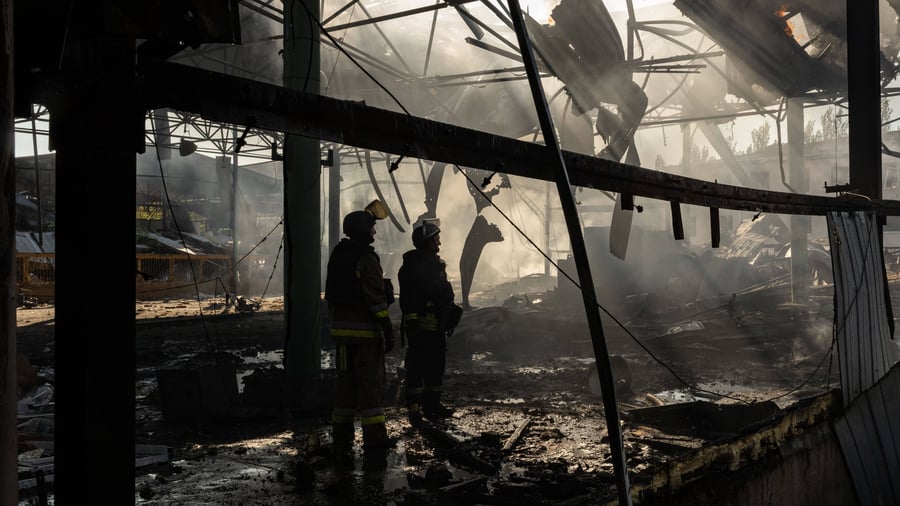
Russia and Ukraine are engaging in an escalating war of drones, cruise missiles, and ballistic missiles. Russia is producing large quantities of these weapons, including up to 900 ballistic missiles per year, which is a significant problem for Ukraine's defense. The West, particularly the US, has underestimated the threat of ballistic missiles and does not have enough defense systems, such as Patriot missiles, to counter them.
The production of Patriot missiles is currently limited, with the US manufacturer Lockheed Martin producing around 700 per year, and only a small portion being sold to European customers.
Written by urgent.news from Handelsblatt's report — not a translation of it. Machine-written — may contain errors; check the original before relying on it.