In the American West, wildfire comes for the suburbs
Despite decades of warnings, neighborhoods in Reno and Spokane have sprawled ever closer to a hotter, drier wilderness.
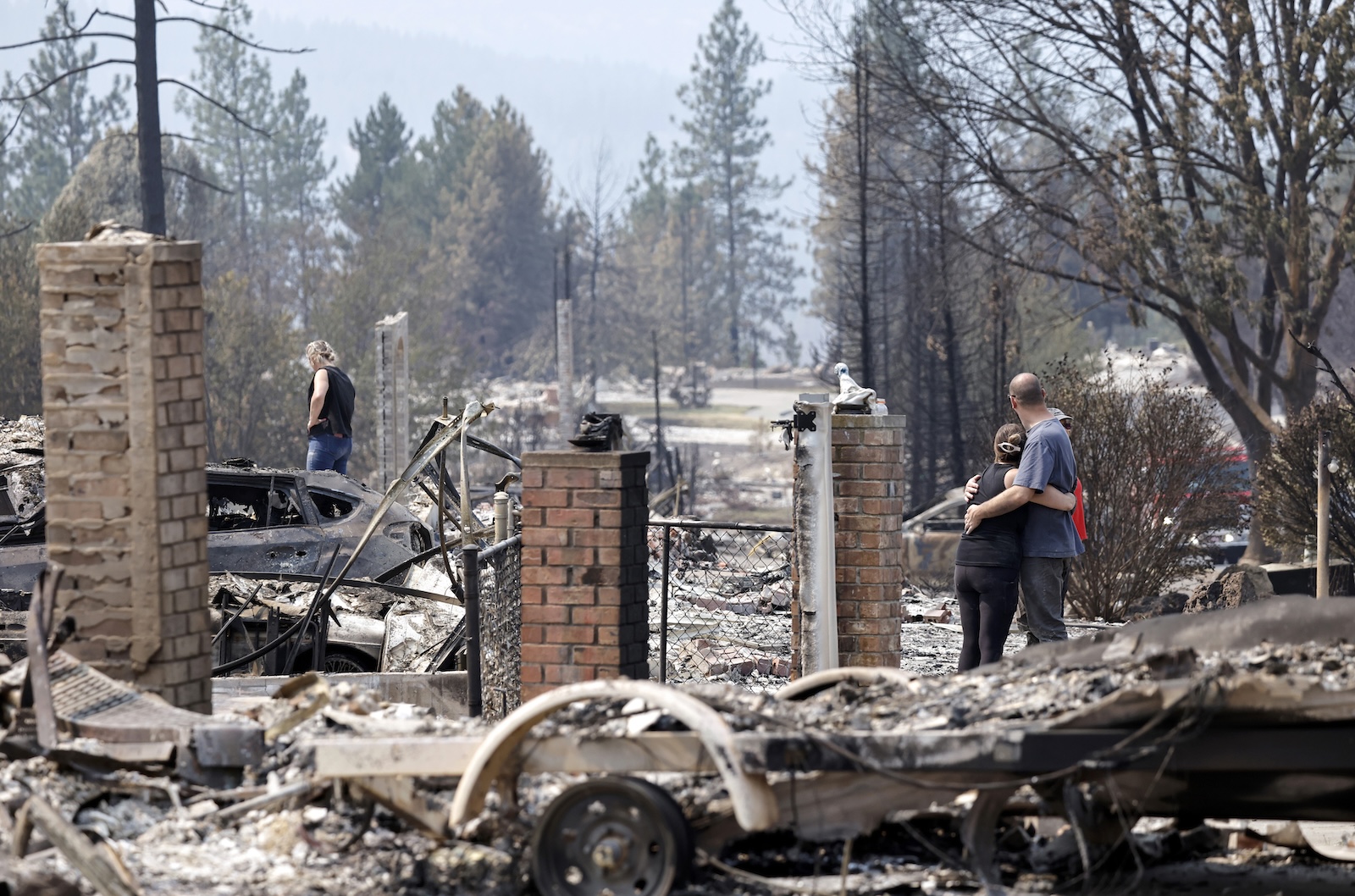
Somersett, a quiet suburb near Reno, Nevada, offers spacious homes with sweeping views of the high-desert landscape. However, summer conditions with low humidity and high temperatures make the area susceptible to wildfires. On August 22, the Hawk Fire ignited, rapidly spreading to engulf over 90,000 residents within days. By Wednesday, two dozen houses had been destroyed.
This year, wildfires have burned over 7.9 million acres in the United States, with Canada also facing a significant wildfire crisis. Scientists attribute these fires to climate change, which has made them more likely to occur. In the Western U.S., record-low winter snowfall and extreme, prolonged heat waves have exacerbated the situation.
The development of wildland-urban interface (WUI) areas, where homes are nestled between cities and forests or grasslands, has been a major contributing factor to these disasters. As the planet warms, wildfire smoke is expected to kill 70,000 Americans annually by 2050. Fire-prone areas require stringent safety measures, such as clearing vegetation, to protect residents.
Written by urgent.news from Grist's reporting — not their text. Machine-written — may contain errors; check the original before relying on it.