I turned to AI when my doctor couldn’t fix my back pain. It actually helped
A few months ago, I injured my back, resulting in debilitating nighttime pain. To make matters worse, the pain meds my doctor prescribed weren’t working, and I hadn’t gotten a good night’s rest for weeks. Desperate and sleep-deprived, I decided it was time for a Hail Mary, and asked AI for help. Google’s Gemini chatbot was more than happy to become my physical therapist, checking in with me every…
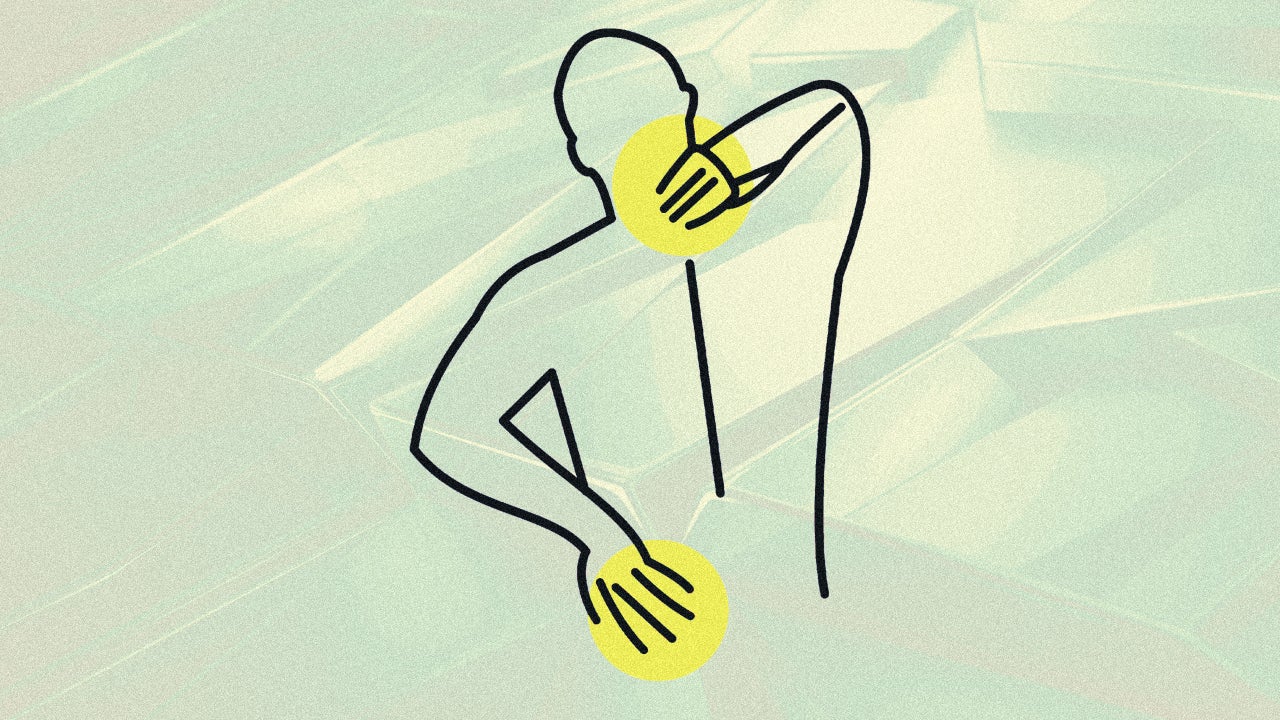
A few months ago, the author suffered a severe back injury that caused excruciating nighttime pain. The prescribed pain medication failed to alleviate the discomfort, and the individual had been sleep-deprived for weeks. Seeking relief, they turned to Google's Gemini AI chatbot for assistance. Gemini proved to be an invaluable virtual physical therapist, monitoring the author's progress daily and providing guidance on managing nighttime pain.
The AI praised the author's improvement and empathized with the setbacks, even offering explanations of medical jargon in layman's terms. The author is not alone in seeking AI guidance for health concerns; a recent KFF study found that about a third of adults utilize artificial intelligence for health information, with this number rising to 42% among individuals under 30.
While AI chatbots have improved significantly due to better training with medical knowledge, concerns persist about their ability to diagnose critical warning signs compared to human physicians. Experts like Dr. Gaurav Mathur, who has developed an AI health app, believe that AI can empower patients to be more proactive in managing their health.
However, AI models should not replace physicians, as they lack comprehensive knowledge of an individual's health history. AI chatbots like Gemini and Health-GPT can help prepare patients for medical appointments by providing detailed information about their medical history and suggesting relevant questions to ask their doctors.
Written by urgent.news from Fast Company's reporting — not their text. Machine-written — may contain errors; check the original before relying on it.