How Waymo got Chinese EVs onto American roads
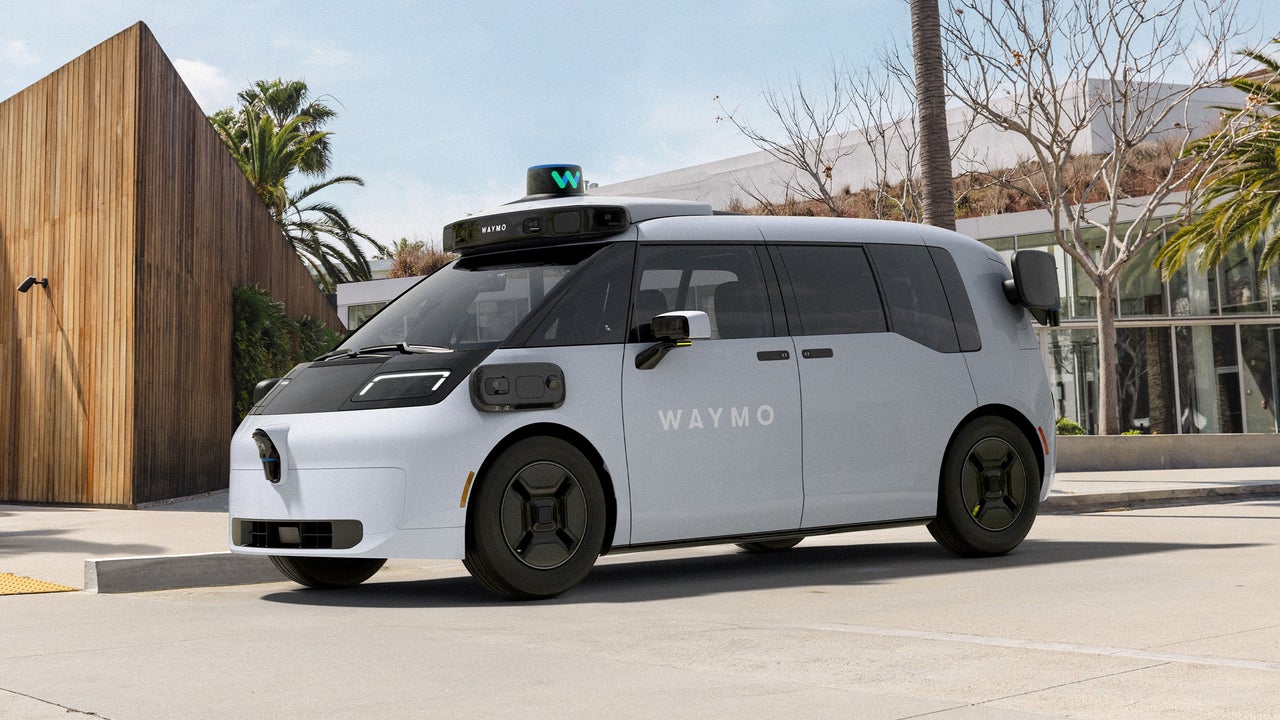
Want to ride in a Chinese-built EV ? If you live in the U.S., your best bet might be hailing a Waymo robotaxi. Waymo’s custom-made Ojai vehicles , which started public rides in San Francisco, L.A., and Phoenix this summer, are manufactured in Ningbo, China, and then shipped to the U.S., where Waymo adds its own autonomous driving technology. Hundreds are on the road now, and as the company rolls…
Chinese-made electric vehicles (EVs) are rapidly gaining popularity in many countries, including the United States. However, due to trade tariffs and the recent Connected Vehicle Rule, American consumers have limited access to these affordable and high-quality vehicles. Waymo, a leading self-driving technology company, has found a way to bring Chinese-built EVs to American roads.
Waymo has been collaborating with Chinese manufacturer Zeekr since 2021, before the current trade restrictions came into effect. The company chose Zeekr's platform because it was designed from the ground up for autonomous ride-hailing, featuring safety, accessibility, and durability necessary for Waymo's self-driving technology. The Waymo Ojai vehicles, manufactured in Ningbo, China and then shipped to the US, are already in use, with over 3,000 vehicles imported so far, including 2,600 last year.
Despite the tariffs raising costs significantly, Waymo's own self-driving technology reportedly costs less than $20,000, making it more affordable than the previous Jaguar vehicles that were said to cost around $200,000 when fully equipped. Waymo argues that the Connected Vehicle Rule does not apply to their vehicles since they use their own connected driving hardware and software. However, the government's decision-making process regarding which cars are affected by the rule remains unclear.
While it's uncertain how long this arrangement will last, Waymo's ability to bring Chinese EVs to American roads despite barriers shows the potential for new opportunities in the global EV market.
Written by urgent.news from Fast Company's reporting — not their text. Machine-written — may contain errors; check the original before relying on it.