How Washington Can Credibly Counter China in the Pacific
It’s going to take more than showing up.
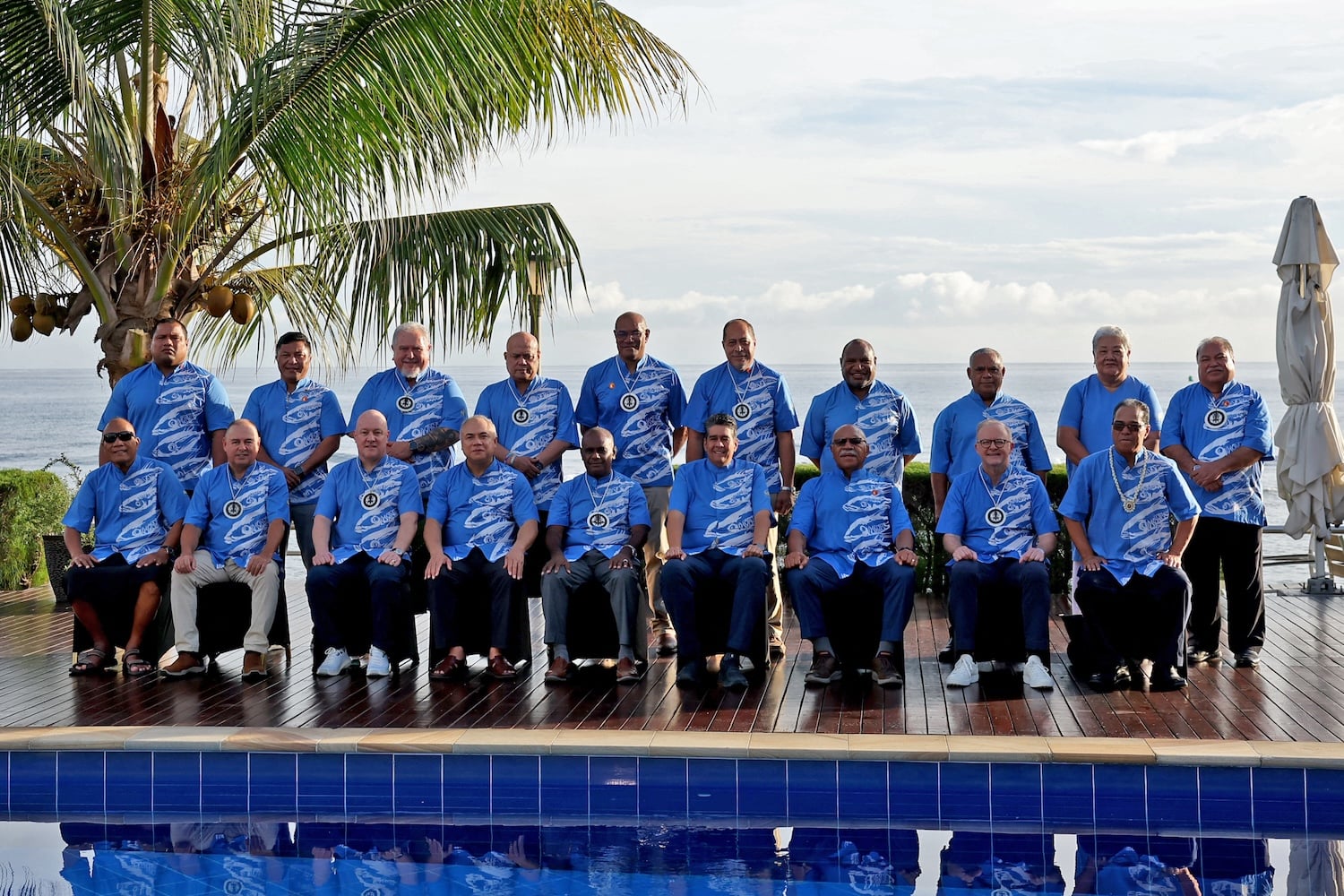
The Pacific islands have become a central battleground in the ongoing strategic competition between the United States and China. This was highlighted recently when China launched a submarine-launched ballistic missile from the South China Sea, flying over the Philippines and passing just south of Guam to land in the South Pacific Nuclear Free Zone.
This provocative move came just hours after Australia signed a treaty with Fiji, drawing condemnation from regional leaders who accused Beijing of deliberately escalating tensions.
China's aggressive actions are part of a broader pattern of expanding influence in the Pacific. In April 2022, it was revealed that China had secretly negotiated a security agreement with the Solomon Islands, a small nation of approximately 850,000 people. The news of this pact raised concerns about a potential Chinese presence in the region, including the possibility of a military and police presence. This situation places a hostile power between the United States and its closest allies in the Pacific.
For decades, the United States' approach to Pacific islands has been marred by neglect and competing geopolitical interests. However, the recent launches and agreements underscore the need for a comprehensive, consistent, and fully resourced U.S. strategy in the region. Simply relying on high-level visits and sporadic engagement is no longer sufficient to maintain unhindered access, trusted partnerships, and strategic influence across Oceania.
Washington must move beyond rhetoric and take proactive steps to safeguard its interests and regional equilibrium against China's deliberate, long-term footprint.
Written by urgent.news from Foreign Policy's reporting — not their text. Machine-written — may contain errors; check the original before relying on it.