How Nepal supported Nana Saheb and other warriors of the first war of Independence in 1857
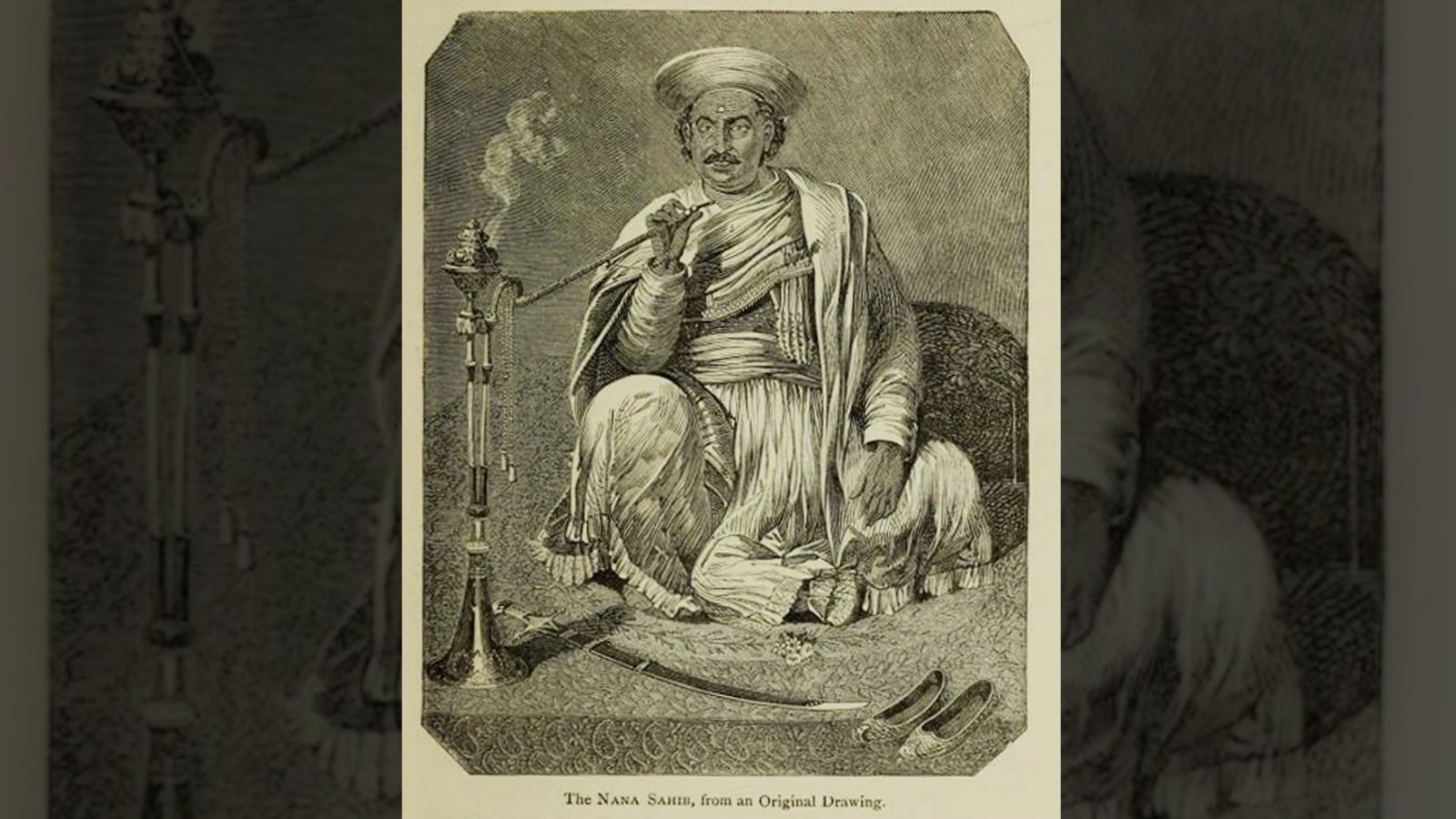
The story of Nana Saheb's connection to Nepal during the 1857 First War of Independence is a little-known chapter in Maratha history. Nana Saheb, the adopted son of Peshwa Baji Rao II, grew up amid hostility with the British after the Third Anglo-Maratha War in 1819. When the First War of Independence broke out in 1857, Nana Saheb emerged as a prominent leader, fighting against British rule.
However, after the rebellion's defeat, the British refused to recognize Nana Saheb as the rightful Peshwa, leaving his fate uncertain.
Historian Pandurang Balkawde reveals that Nepal played a crucial role in supporting Nana Saheb during this tumultuous time. According to documents from Pune Archives, Nepal provided shelter to Nana Saheb, a testament to the long-standing relationship between Maratha leadership and the people of Nepal. This support can be traced back to the deep respect and devotion that Chhatrapati Shahu Maharaj had for Nepal and the Pashupati Nath temple.
The collaboration between Nepal and the rebels during the Indian National Movement of 1857 is documented by academics from Kathmandu in a paper titled "Dual Diplomacy of Nepal in the Indian National Movement of 1857." This research reveals that Nepal not only offered military support to the British but also covertly aided the rebels.
Colonel Kelly, stationed near the Nepal-India border, reported that 60 commanders who fought in the 1857 uprising had crossed into Nepal and set up camps in the region. Nana Saheb himself was sheltered in the fort of Nuwakot, with around 200 bodyguards protecting him while the rest of his soldiers sought refuge in the dense forests of Butwal.
The complex relationship between Nepal and the rebels is exemplified by Janga Bahadur, the Prime Minister of Nepal, who skillfully navigated the diplomatic waters between the British and the Indian rebels. Janga Bahadur even offered a reward of 1 million rupees to anyone who could prove that Nana Saheb was indeed in Nepal and being hidden by the Nepalese government.
While the exact fate of Nana Saheb remains uncertain—some accounts suggest he died in Nepal, while others believe he died in India—the memory of Nepal's role in providing refuge to Nana Saheb endures to this day.
Written by urgent.news from The Indian Express's reporting — not their text. Machine-written — may contain errors; check the original before relying on it.