HIZERO thinks your vacuum cleaner may be doing too much
HIZERO is questioning whether suction should remain at the center of hard-surface cleaning. Its bionic polymer roller and growing No Suction ecosystem offer a different approach to everything from everyday floors to countertops and autonomous cleaning.
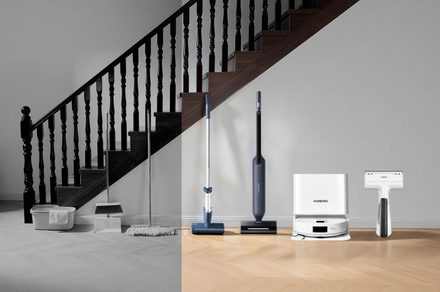
When you enter a home after a long day, the floor appears to tell a story more complex than what a regular vacuum cleaner is intended to manage. The floor may hold crumbs under the dining table, a splash of water near the sink, strands of hair near the sofa, and traces of dirt left by someone's shoes. These messes are easy to clean individually, but they don't arrive one at a time.
HIZERO has created a cleaning philosophy based on this reality. Rather than considering how much suction a cleaner needs to clean various messes on hard surfaces, HIZERO questions whether suction should be the primary method altogether. The company's core idea is encapsulated in its patented No Suction Technology, which relies on a unique bionic polymer roller.
This roller is designed to collect both dry debris and liquid directly from surfaces, then separate and manage the collected materials.
Instead of adding more powerful motors, specialized rollers, and elaborate filters to conventional cleaners, HIZERO's approach reduces the number of components needed for cleaning. Conventional cleaning systems often struggle with separating solid debris from liquid waste, leading to clogs, noise, and energy consumption. HIZERO's system keeps these materials separate, simplifying the cleaning process.
The bionic polymer roller is central to this process, collecting dry debris and liquid directly from surfaces, thus making the roller a critical part of the cleaning mechanism. This approach is particularly effective with pet hair, which can easily get tangled in conventional cleaning components and become a maintenance issue.
HIZERO's innovation is showcased in its EASY Bionic Mop, a manual cleaner that combines sweeping, mopping, washing, and wiping into one action. A trigger releases fresh water, separating dry debris and liquid waste for disposal. Unlike conventional mop systems, this mop doesn't require a bucket, cleaning solution, motor, or charging. The mop can also be rinsed under running water, providing a simple and efficient cleaning solution.
HIZERO also offers an autonomous floor cleaner called GLIDE, described as the world's first no-suction robot cleaner. GLIDE uses the same bionic cleaning system to manage wet messes, stains, debris, and hair. Its waste intake system separates hair, solid waste, and dirty water as they are collected, eliminating the need for HEPA filters and dust bags typically found in conventional suction-based robotic cleaners.
GLIDE operates at a noise level of 56dB and can clean for up to 220 minutes on a single charge. Its multi-roller system includes dedicated clean- and waste-water tanks in both the robot and its charging station. The quieter operation allows cleaning to happen without disrupting the household, making it ideal for environments where people are working, watching TV, sleeping, or otherwise occupied.
Beyond floors, HIZERO has expanded its technology to multi-surface cleaners like HANDY, designed to replace traditional cleaning cloths. HANDY utilizes the same bionic technology and polymer roller, providing a versatile cleaning tool for various surfaces like countertops, tables, windows, and more. The company aims to streamline the cleaning process, reduce maintenance efforts, and offer a quieter, more efficient cleaning experience.
Written by urgent.news from Digital Trends's reporting — not their text. Machine-written — may contain errors; check the original before relying on it.