Haryana’s Dalit shift: How BJP is building a broader Hindu identity
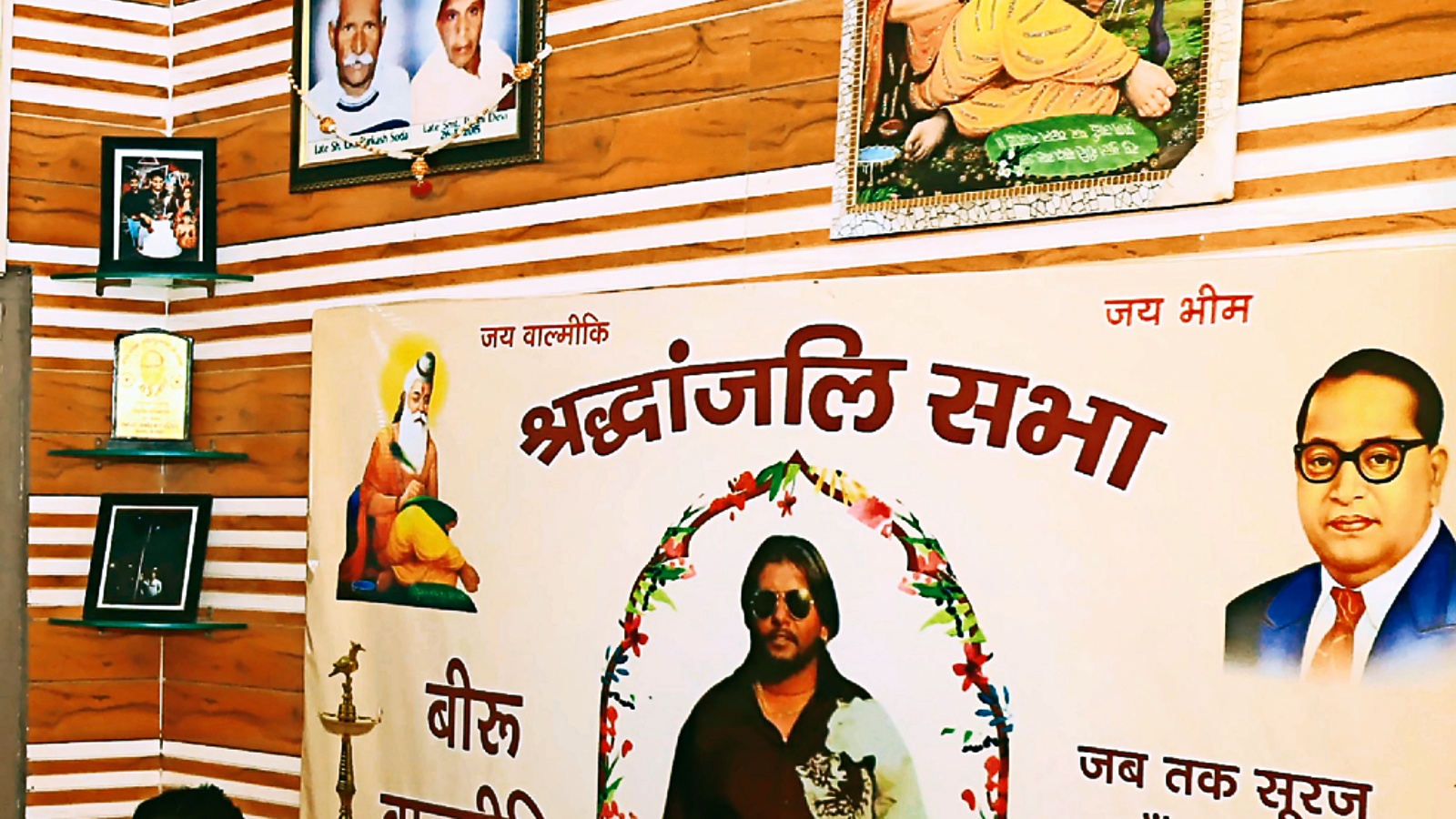
In Karnal, Haryana, the slogans "Jai Bhim, Jai Balmiki, Jai Shree Ram" emerged following the fatal shooting of 25-year-old Biru Balmiki by bike-borne assailants on August 5. The swift police response with the death of two alleged shooters from the upper-caste Ror community sparked protests and solidarity from Dalit representatives, showcasing a shift in power dynamics.
This contrasts to the 2025 case of Ganesh Valmiki in Hisar, where police inaction led to an 11-day delay in cremation amid protests. The BJP, which came to power in Haryana in 2014, has pursued a caste engineering strategy, consolidating non-Jat and non-dominant Dalit groups, particularly Balmikis. Scheduled Castes (SCs) make up about a fifth of Haryana's population, with Jatavs forming the largest bloc and Balmikis among the largest of the rest.
The BJP's strategy has gained momentum, with post-poll data from the 2024 Haryana elections showing a shift in voter preferences. The party has not only emphasized caste assertion but also integrated it into a broader Hindu identity, using slogans and invoking Lord Ram. This strategy, rooted in the RSS's calls for unity in a Hindu framework, aims to bring together diverse Dalit communities under the broader Hindu identity.
The success of this approach remains to be seen, but it marks a significant shift in Haryana's political landscape.
Written by urgent.news from The Indian Express's reporting — not their text. Machine-written — may contain errors; check the original before relying on it.