Groundbreaking treatments and vaccines offer hope in fight against cancer
There have been several promising developments lately in cancer research and treatment, including a new drug approved by the FDA this week for advanced pancreatic cancer. William Brangham reports.
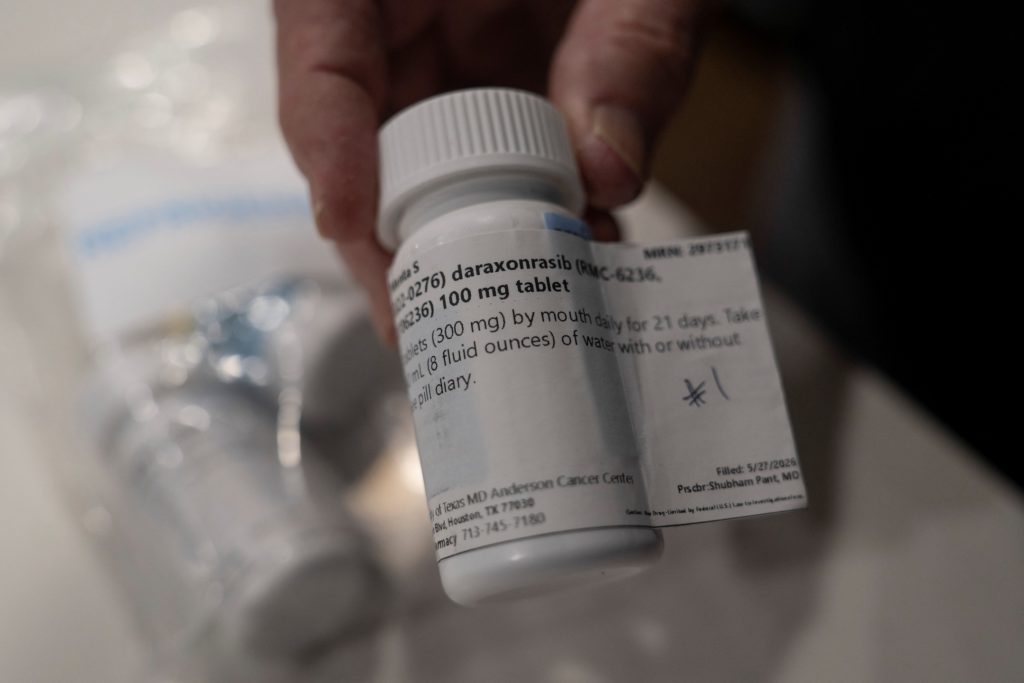
Recent advances in cancer research and treatment have offered renewed hope for patients, with the approval of a new drug for advanced pancreatic cancer and a promising mRNA vaccine for melanoma. Pancreatic cancer, notoriously deadly with a 13% five-year survival rate, now has a novel treatment option called daraxonib that nearly doubles survival time and has fewer severe side effects compared to previous treatments.
This groundbreaking drug targets gene mutations that fuel pancreatic cancer growth. The new individualized vaccine, still in clinical trials, has shown remarkable results in preventing melanoma relapse by harnessing the power of the immune system against tumors' own genetic mutations. While the vaccine has not yet received FDA approval, the potential for similar interventions to improve outcomes for various cancers is promising.
Dr. Robert Vonderheide, director of the Abramson Cancer Center at Penn Medicine, expressed optimism about the future of cancer vaccines, noting that this marks the beginning of a wave of new treatments that could lower relapse risks and potentially prevent certain cancers from developing altogether.
Written by urgent.news from PBS NewsHour Health's reporting — not their text. Machine-written — may contain errors; check the original before relying on it.
This story
This is one outlet's version. Read the fullest account.