GPS collars making shepherds' lives 'much easier'
Brothers Josh and Ben Voak are using a GPS technology featured on the TV show Clarkson's Farm.
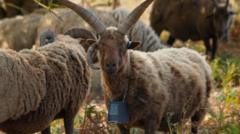
In a significant advancement for shepherding practices in Jersey, GPS collars are revolutionizing livestock management, according to local shepherds. The Grazing Project, a conservation initiative, has spearheaded the use of these collars on herds of sheep grazing on the island's cliffsides. This pioneering effort has proven so successful that they are now training cows to utilize the collars as well.
In 2025, the technology made headlines on Clarkson's Farm, appearing in Jeremy Clarkson's documentary about his Cotswolds farm, Diddly Squat.
For Josh and Ben Voak, sheep and shepherd brothers involved with the project, GPS collars have saved substantial amounts of manual labor, opening up new grazing areas for their flocks. The collars, utilizing GPS technology, establish invisible boundaries via a smartphone app. Should the animals cross this boundary, the collar emits an audio alert followed by a mild electric shock. Developed in Norway and rigorously tested across the UK, the project currently manages approximately 600 sheep in Jersey.
Josh Voak highlighted the ease with which they now manage challenging terrains, such as steep cliffs and areas with dense bracken or gorse. Previously, they had to manually erect electric fencing, a labor-intensive process that could take hours. Now, with the GPS collars, they simply upload the location into the app and the system manages the rest.
Ben Voak added that The Grazing Project stands out for the number of collars employed, and they are actively seeking feedback to improve the design of the collars, working closely with Nofence, the collar's manufacturer.
The Voaks also reported training cows to wear the collars, which could pave the way for combining sheep and cows to rewild new parts of Jersey. Currently, they are in a trial phase to explore how sheep and cows can coexist on the same sites. This innovative approach marks an exciting time for the project, as they test the feasibility of integrating both species using the GPS collars.
Written by urgent.news from BBC Science's reporting — not their text. Machine-written — may contain errors; check the original before relying on it.