Endangered hawksbill turtles nest on Four Sisters Islands in Red Sea
Endangered hawksbill turtles have made the Four Sisters Islands in Al Lith a key nesting and breeding site, thanks to the islands’ unique environment.
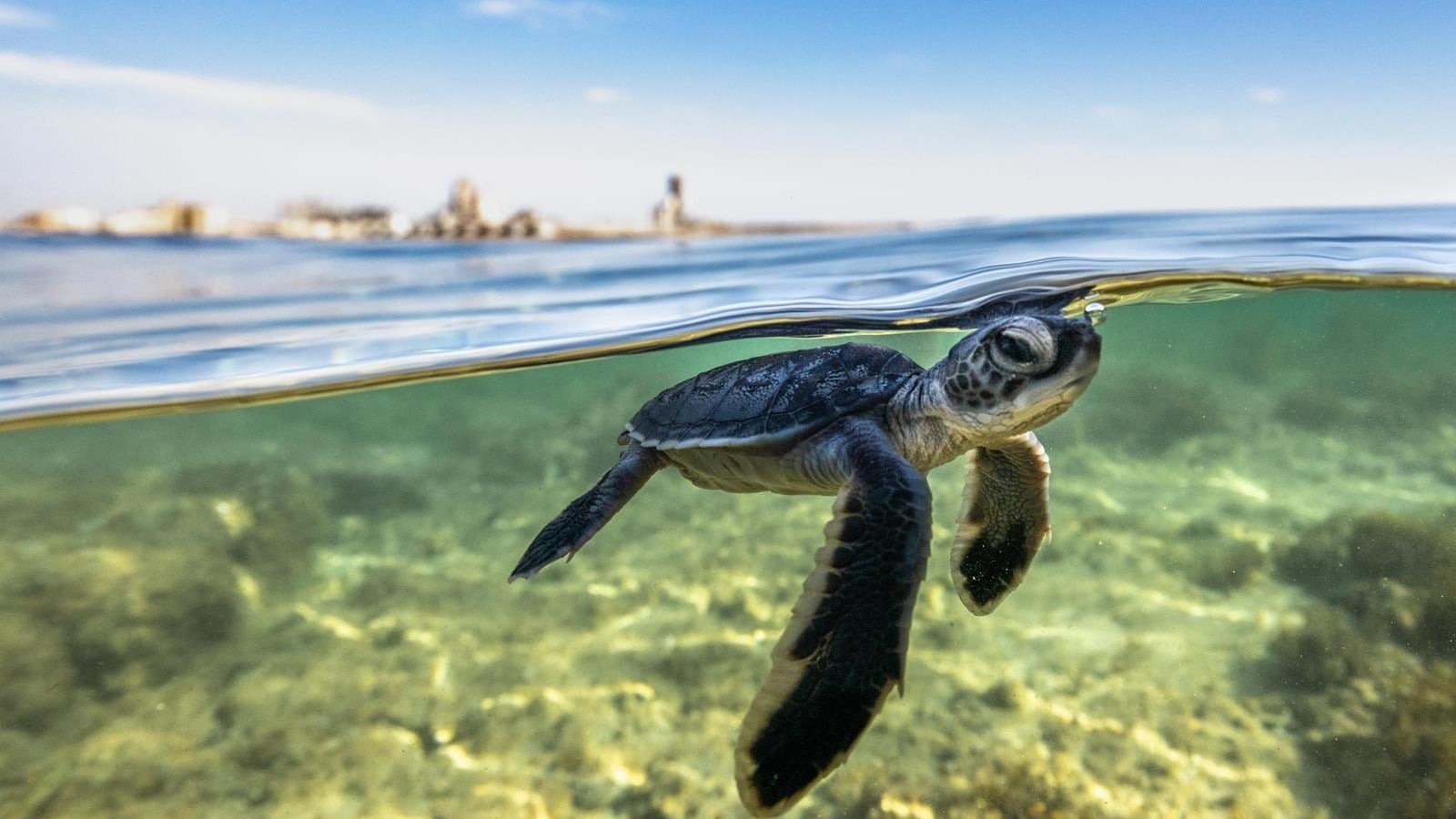
Endangered hawksbill turtles have chosen the Four Sisters Islands in Saudi Arabia's Red Sea as their primary nesting and breeding site. This remote cluster of islands, comprising Marmar, Dahreb, Melato, and Jadeer, offers a unique natural environment that is ideal for these turtles. The islands boast a rich biodiversity, featuring coral reefs, seagrass meadows, mangrove trees, and calm sandy beaches. These elements provide the perfect conditions for turtles to dig nests and lay eggs before returning to the sea.
The Four Sisters Islands hold significant importance as the largest recorded nesting site for sea turtles in the Saudi Red Sea waters, with over 2,500 turtle nests documented. This site is particularly crucial for the hawksbill turtle, a species scientifically known as Eretmochelys imbricata and classified as endangered by the International Union for Conservation of Nature.
Hawksbill turtles are easily identifiable by their narrow, pointed beak, overlapping shell plates, and naturally patterned shells. Their strong front flippers enable efficient navigation in the marine environment.
In the Red Sea islands, these turtles have found a thriving ecosystem that supports their nesting habits and aids their global journey. Once hatchlings emerge from their eggs, they immediately begin their journey to the sea, underscoring the critical role of preserving these natural habitats for the survival of these endangered species.
Written by urgent.news from Ajel English's reporting — not their text. Machine-written — may contain errors; check the original before relying on it.