Donald Trump Announces “the Largest Oil Deal in History” with Venezuela
After several members of the Venezuelan regime, when Nicolas Maduro was still in power, assured that not a single drop of that country’s hydrocarbons would end up in the United States, things took a total turn. President Donald Trump announced this Friday, August 28, that he reached an oil agreement with the interim government of […]
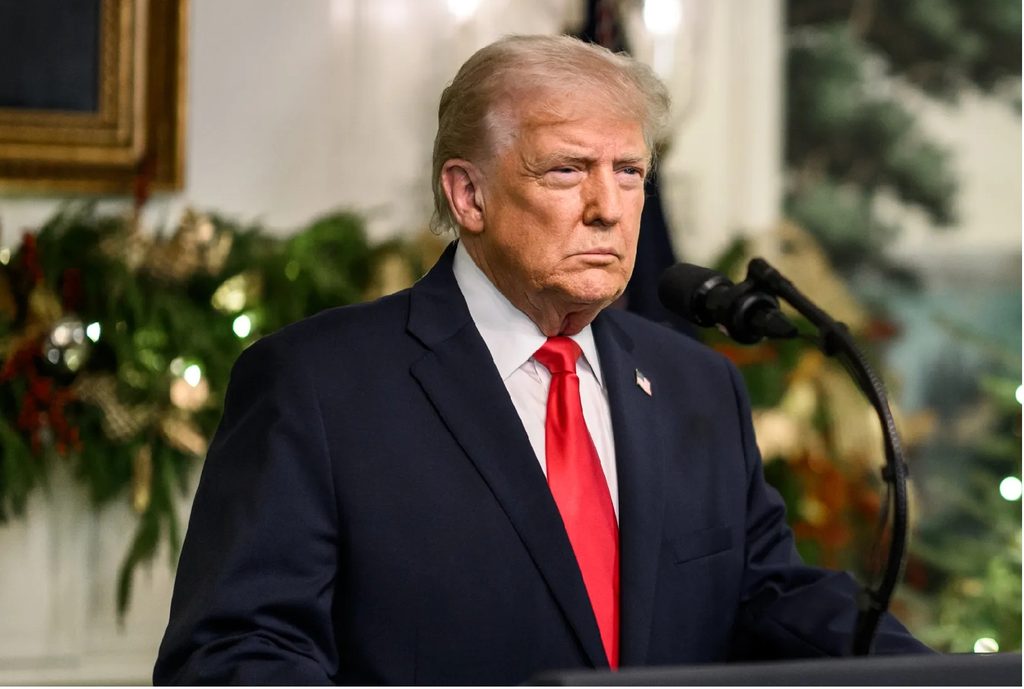
President Donald Trump announced on Friday, August 28, that he had reached a monumental oil deal with the interim government of Venezuela. Prior to this, several members of the Venezuelan regime had warned that none of the country's hydrocarbons would be sent to the United States when Nicolas Maduro was still in office. However, the power dynamics changed dramatically when Trump announced the deal on August 28.
The agreement, signed with Venezuela's interim president Delcy Rodriguez, grants Washington long-term access to a portion of Venezuela's crude oil exports. Trump described this pact as "the largest oil deal in world history" and claimed it would more than double the United States' oil reserves. According to Trump, Secretary of State Marco Rubio and Secretary of War Pete Hegseth negotiated this deal under his guidance.
Trump wrote in a statement that through a partnership with the private sector, the U.S. has secured majority control of over 65,000 million barrels of proven oil reserves in Venezuela, at no cost to the American taxpayer. This historic transaction, Trump added, will significantly increase the U.S. oil supply and lead to reduced gasoline prices for all Americans in the long term.
The announcement of this deal comes nearly nine months after a U.S. military operation, directed by Trump, captured and extracted Maduro from Caracas in January. Since then, the interim government of Venezuela has been making concessions that are further dividing Chavismo, particularly among radical sectors that fear their country and wealth are being handed over to the United States.
Written by urgent.news from Colombia One's reporting — not their text. Machine-written — may contain errors; check the original before relying on it.