Data center backlash isn't about AI, it's about who pays the bills (and the noise)
Researcher Andy Masley reviewed polling data on the backlash and concluded that its main drivers are not simply distrust of Big Tech, skepticism about AI, or concerns about China. Instead, he found that people are responding to "object-level local environmental and economic harms" associated with proposed projects. Read Entire Article
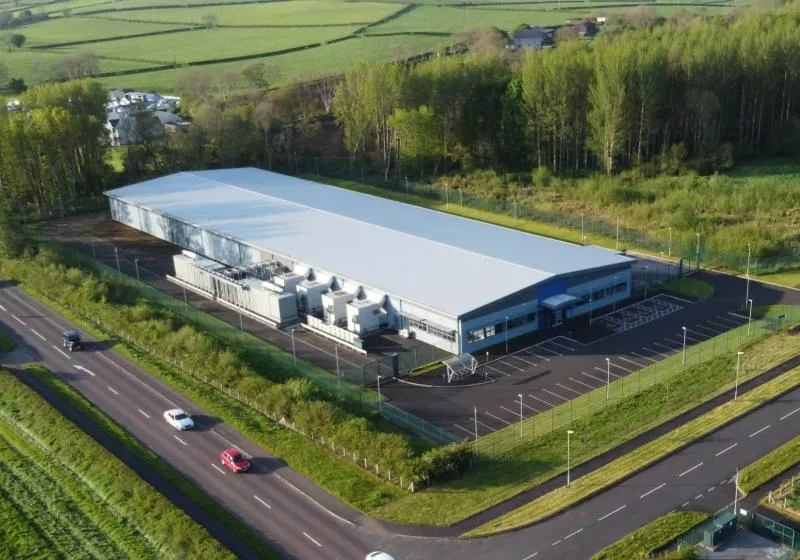
The debate over data centers is shifting focus from artificial intelligence to the tangible impacts on local communities. Researchers have found that opposition is primarily driven by concerns about the financial burden, environmental consequences, and quality of life issues associated with these facilities. Power costs are often cited as the initial worry, as data centers can necessitate substantial upgrades to the electrical grid.
In some regions, such as the PJM Interconnection area, these upgrades have been passed on to all customers, leading to bill increases of up to 76%. High-profile interactions between tech companies, AI hyperscalers, utilities, and state officials have taken place, with the Trump administration even signing a pledge aimed at ensuring tech firms fund the necessary infrastructure themselves.
Some states have taken direct action, with Oregon implementing laws requiring data centers to cover their share of grid-related expenses. Water usage has become another contentious issue, with incidents reported where data center operations led to reduced water pressure and contamination in local water supplies. Noise and emissions have also raised alarms, with complaints in Michigan about constant noise likened to a vacuum cleaner in a living room, resulting in fines and eviction threats.
Concerns over mobile turbine generators and gas-fired power plants have contributed to project setbacks, particularly in Texas where an Amazon-related facility was approved despite emitting up to 33 million tons of greenhouse gases annually. Transparency is crucial, with developers urged to provide clear information regarding power consumption, cost-sharing for grid upgrades, water sourcing, and waste management.
However, some developers have adopted a confrontational stance, suing local governments for imposing bans or moratoriums, asserting that such actions exceed authority and violate due process rights. The resistance against data centers is not solely about AI technology but also about the equitable distribution of costs borne by the communities housing these facilities.
Written by urgent.news from TechSpot's reporting — not their text. Machine-written — may contain errors; check the original before relying on it.