Could the China-Nepal disaster spur a safety rethink for a flagship rail project?
This week’s devastating floods on the China-Nepal border could be a catalyst for joint early-warning systems, particularly in relation to a proposed rail link between the countries. Rescuers were still struggling on Thursday to reach Gyirong Port in the Tibet autonomous region where a mudslide struck a day earlier, following flash floods from Nepal. The port is the region’s main foreign trade…
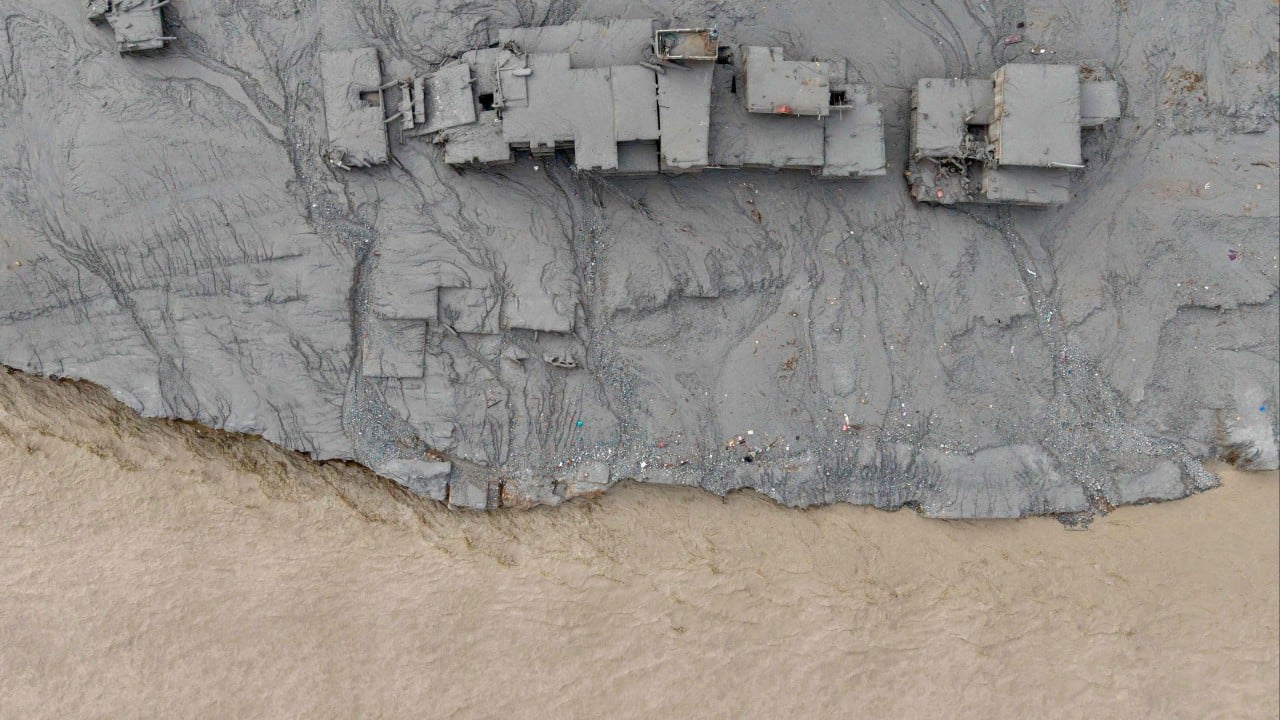
Floods along the China-Nepal border this week have prompted calls for a safer rail link between the two nations. The floods hit Gyirong Port, a key foreign trade gateway, and the port's location sits on the proposed multibillion-dollar railway that would connect Tibet with Kathmandu. The port handles a third of China's trade with Nepal, making it a vital link in the Belt and Road Initiative.
Researchers on both sides of the border have warned of the need for joint early-warning systems and a modern disaster-prevention treaty to manage hydrological hazards. The 1963 Boundary Protocol, which governs border management, treats transboundary rivers as static territorial lines, ignoring their dynamic nature as high-risk ecological systems.
Experts say that such infrastructure projects, and the physical geology and climate risks they entail, should not be politicized. Transparency and science-based cooperation are seen as key to countering scepticism and building trust between the two nations.
Written by urgent.news from South China Morning Post's reporting — not their text. Machine-written — may contain errors; check the original before relying on it.
This story
This is one outlet's version. Read the fullest account.