COP17: UN land summit ends in Mongolia with $1.3bn deal for restoration, drought resilience
The UNCCD COP17 in Ulaanbaatar, Mongolia, ended Friday with new political commitments, financing and initiatives aimed at turning global pledges on land restoration and drought resilience into concrete action. The post COP17: UN land summit ends in Mongolia with $1.3bn deal for restoration, drought resilience appeared first on Premium Times Nigeria .
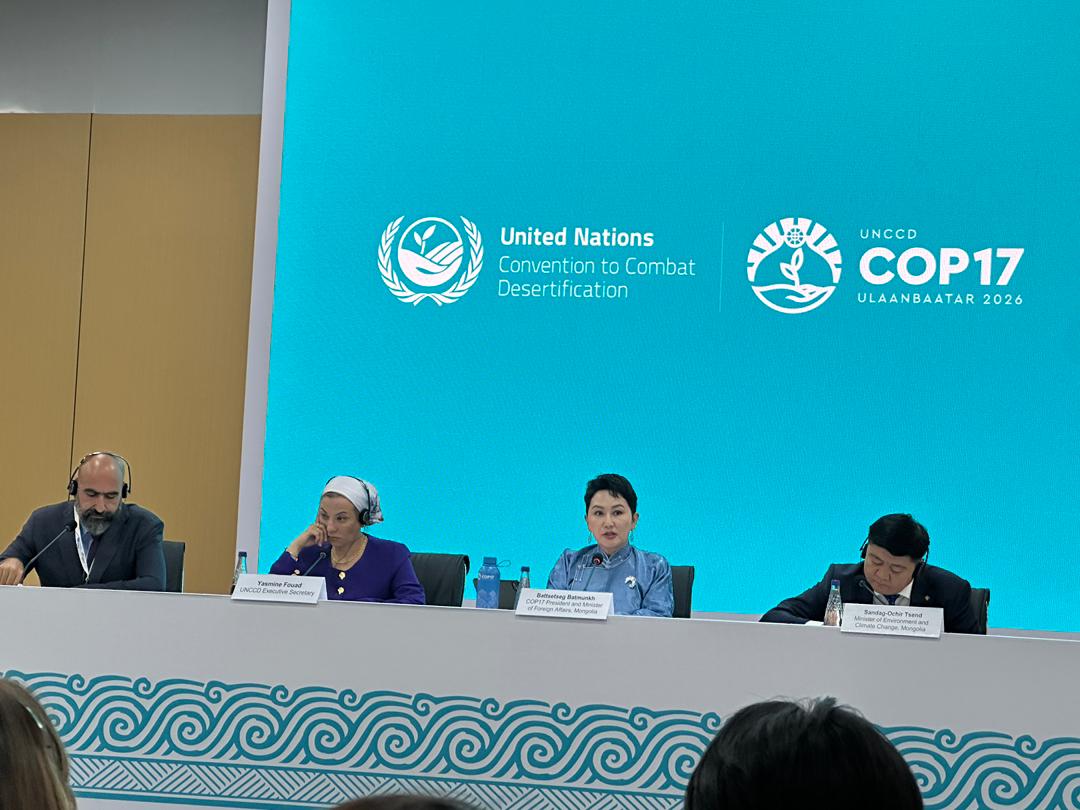
Nearly 200 countries concluded the United Nations desertification talks in Ulaanbaatar, Mongolia on Friday, with the goal of maintaining productive land as climate change intensifies and soil degradation worsens. Up to 40% of the world's land is degraded, according to the United Nations Convention to Combat Desertification, which organizes the biennial talks.
Droughts are now emerging in regions that were not seen as highly vulnerable a decade ago, said Yasmine Fouad, the convention's executive secretary. "Drought is coming coupled with the impact of climate change," Fouad explained to the Associated Press. "It's becoming more frequent, more intense and more prolonged." The talks resulted in not resolving a key issue: whether to establish a legally binding global drought agreement, which will be postponed until the next round of discussions in Egypt in two years.
Healthy soil can mitigate drought impacts, as healthy soil absorbs and stores water, enabling crops, grasslands, and natural ecosystems to endure prolonged dry spells. Conversely, degraded soils quickly shed water and diminish in productivity, leaving communities more vulnerable when temperatures rise or rainfall becomes erratic, according to land experts.
The interplay between land and water is particularly crucial for agriculture. Joao Campari, the global leader for food and agriculture at WWF International, emphasized that considering land and water as separate entities fails to capture the essential conditions needed for food security.
Written by urgent.news from Associated Press's reporting — not their text. Machine-written — may contain errors; check the original before relying on it.