Cómo invertir en Bolsa cuando llega una ola de calor... o de frío
Las temperaturas extremas se dejan notar en el parqué, donde los inversores intentar sacar partido a la volatilidad del termómetro, ya sea comprando acciones de fabricantes de aire acondicionado y eléctricas o diseñando sofisticados derivados que permiten, literalmente, apostar por el parte meteorológico. Leer
As temperatures soar or plummet, investors seek opportunities in the volatile markets driven by extreme weather conditions. In Europe, specifically, the volume of trading in weather-linked futures has surged by nearly 30% so far this year, according to CME Group.
Futures contracts and options based on Heating Degree Days (HDD) and Cooling Degree Days (CDD) gauge the deviation of average daily temperatures from a 65°F (18°C) reference point. In warmer months, higher CDD values indicate increased demand for cooling systems, while colder winters boost HDD-based trades. Europe's CME offers seasonal contracts tracking average temperatures in cities like London and Amsterdam.
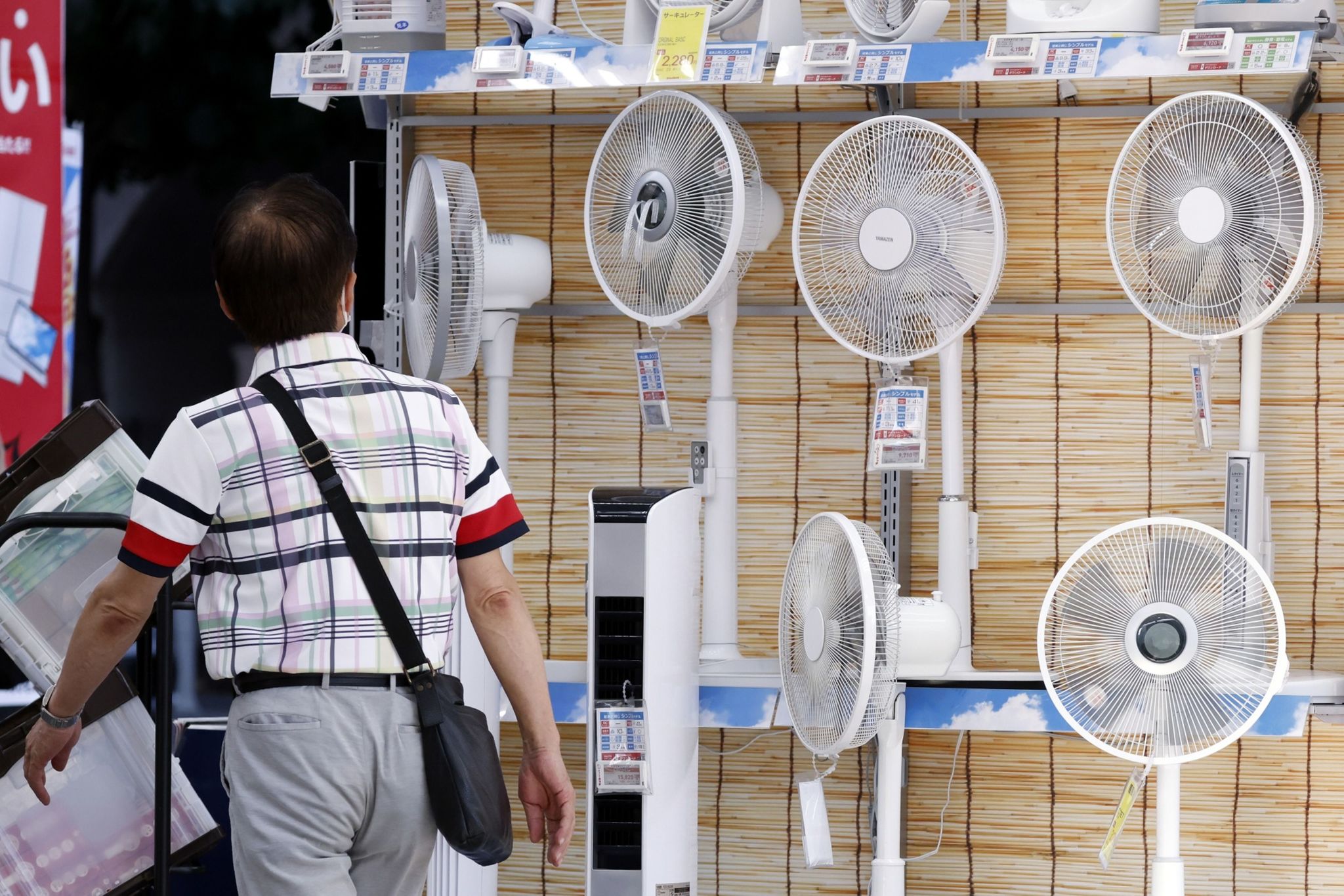
The heatwave summer has seen a surge in demand for air conditioning manufacturers like Samsung, LG, and Panasonic, with Samsung's stock surging 30% since spring and Panasonic up 25% over the past four months. Analysts believe potential remains untapped in this sector. The EU installed fewer than seven million domestic air conditioners in 1990, now numbering 57 million, with the European Commission forecasting 104 million by 2030.
Utility companies such as Iberdrola, Endesa, and Naturgy have also been affected by weather-driven trading. Air conditioning accounts for about 10% of global annual electricity consumption but can consume up to 30% during peak demand periods like summer heatwaves and winter cold snaps. Extreme weather events reduce worker productivity, disrupt factories and transportation, increase cooling costs, damage infrastructure, and raise raw material prices.
This summer, Germany's low Rhine River levels forced cargo ship reductions in key industrial trade routes. The International Monetary Fund estimates agriculture, mining, transportation, logistics, tourism, and construction are hardest hit by extreme weather events.
Written by urgent.news from Expansion ES's reporting — not their text. Machine-written — may contain errors; check the original before relying on it.