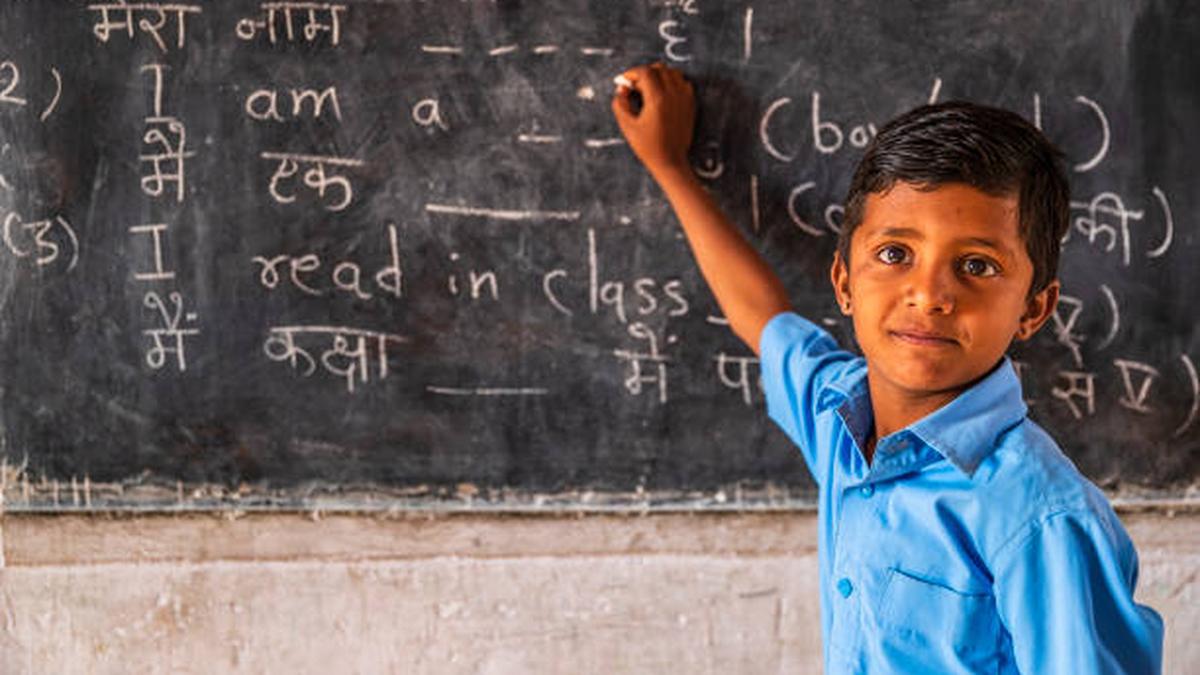
Climate change is denuding Indian languages
Nearly 100 words from Indian languages appear to be vanishing in the Anthropocene, according to a new research effort
Climate change is exacerbating the intensity of El Niño events, according to a new study. Scientists report that El Niño events have become nearly 40% stronger over the past four decades compared to the preindustrial era. The current 2026 to 2027 El Niño is expected to be the strongest on record. Researchers from the University of Michigan analyzed ancient and modern corals from the Galápagos Islands, revealing a clear trend of increasingly severe El Niño events since the 19th century's adoption of fossil fuels.
The study's lead author, Julia Cole, emphasizes that the current El Niño is not part of the natural climate cycle of the past thousand years. El Niño events, which occur every two to seven years, bring warmer sea surface temperatures and disrupt global temperatures and rainfall patterns. The findings highlight the urgent need to mitigate further global warming, as climate change and El Niño events together can cause severe droughts, floods, wildfires, and food insecurity worldwide.
Written by urgent.news from Live Science's reporting — not their text. Machine-written — may contain errors; check the original before relying on it.
This story
This is one outlet's version. Read the fullest account.
- 'This is such a clear story': Climate change is supercharging El Niño to unprecedented strengths, study finds livescience.com
- Climate change boosted risk of devastating Himalayan flood, experts say nst.com.my
- Climate change leaves 560 million children facing extra heat stress every year, study finds euronews.com
- Climate change heat stress puts 145 m Indian children at risk of dehydration, heatstroke: Study indianexpress.com