Chop and charge
Airlines are dividing their cabins into an increasingly wide array of often confusing options. Do you fly Business Light or Premium Economy? It used to be so simple. Aeroplane cabins were divided into economy and business class, with an additional first class section on some routes. There was often not a great deal of difference […] Chop and charge was originally published on Emerging Europe .
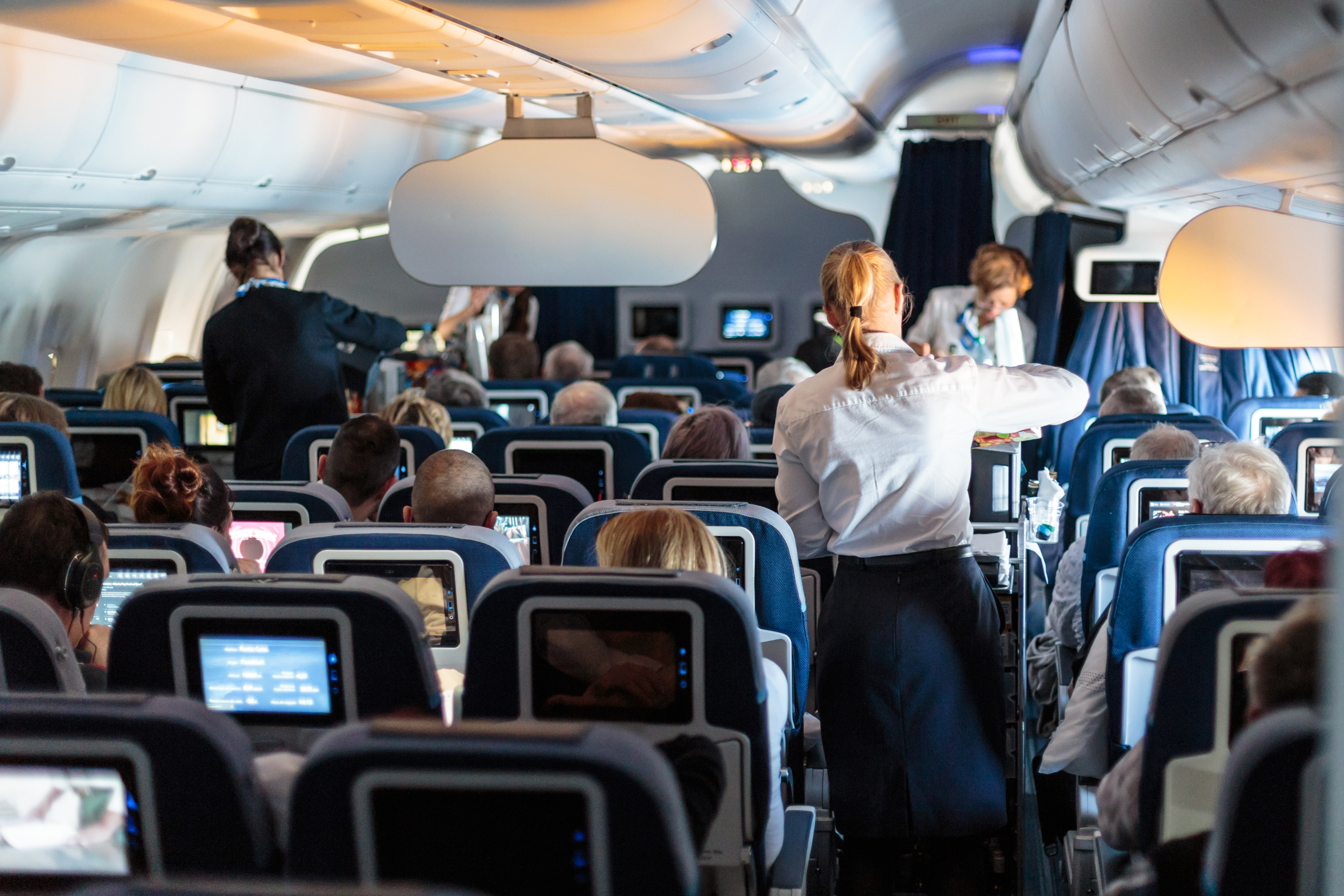
Airlines are increasingly categorizing their cabins into various classes, often leading to confusion among passengers. Traditionally, planes had only economy and business class sections, but now offer multiple tiers, from premium economy to suite class. Low-cost airlines largely adopted uniform seating and service, while legacy carriers have introduced extensive class differentiation.
Taiwan's EVA Air pioneered premium economy in 1992, and Singapore Airlines currently offers the most classes, from suite to economy. Delta Air Lines recently reported that premium cabins generated more revenue than main cabin tickets for the first time in their history. Airlines argue that these additional classes increase profitability due to higher earning potential from premium seats, which take up the same space as multiple economy seats but generate more revenue.
Premium economy, in particular, generates up to a third more revenue per square foot compared to regular economy. However, for budget-conscious travelers, this increased class differentiation may leave them with less comfortable economy seats. Airlines cite improved entertainment and meal options as justification for these changes, aiming to maintain profitability and keep planes operational.
McKinsey estimates that even booming transatlantic routes only yield around 12% profit margins. One possible solution to enhance passenger comfort without introducing new classes is to eliminate reclining seats in economy, as low-cost carriers have done, which could reduce friction between passengers and lower maintenance costs.
Written by urgent.news from Emerging Europe's reporting — not their text. Machine-written — may contain errors; check the original before relying on it.