Caught in the middle: The growing pressure on South Africa's 'sandwich generation'
The rise of South Africa's sandwich generation reveals a hidden crisis where caregivers struggle to balance the needs of their children and ageing parents, often at the cost of their own well-being
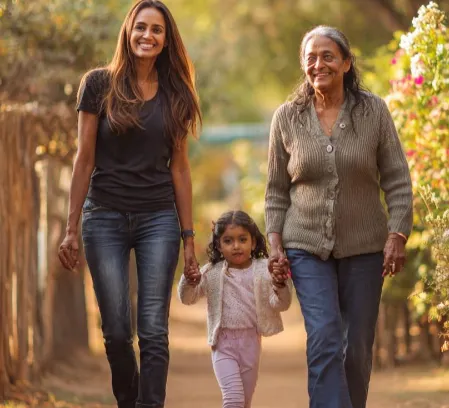
In South Africa, a growing number of individuals find themselves caught in the middle of caring for both their aging parents and their children who require financial and emotional support. These individuals, often referred to as the "sandwich generation," struggle to balance their own needs while ensuring the well-being of both generations. The pressure on this group has intensified due to South Africa's aging population and persistent youth unemployment.
According to Statistics South Africa's 2022 Census data, approximately 9.8% of the population is aged 60 or older, indicating a significant increase in the number of older individuals requiring assistance. Meanwhile, Statistics South Africa's Quarterly Labour Force Survey revealed that in the first quarter of 2024, the unemployment rate among young people aged 15 to 34 was a staggering 45.5%. This means many parents continue to support their children long after they have completed their education.
The financial strain on the sandwich generation is substantial, as they must juggle the costs of supporting their children, parents, and their own household. This constant responsibility can lead to chronic stress, sleep issues, irritability, anxiety, and emotional exhaustion. The South African Depression and Anxiety Group has highlighted the importance of recognizing when stress begins to interfere with everyday functioning and encourages seeking help before reaching a breaking point.
Caregiver burnout can manifest in subtle ways, such as forgetting appointments, crying over small matters, losing patience with loved ones, feeling resentful about constant phone calls, or lying awake with worries about multiple aspects of life. While it is natural for family members to support one another, the sandwich generation must prioritize their own well-being to avoid burnout and maintain a healthy balance in their lives.
To alleviate the burden, families must have open and honest conversations about sharing responsibilities. Siblings should discuss the distribution of tasks related to caring for aging parents, with older children contributing to household chores and partners recognizing appointments, school administration, caregiving, and other responsibilities as work. It is essential to question whether assistance is genuinely needed or if the caregiver has simply become accustomed to taking on these roles.
Moreover, it is crucial to recognize that helping someone does not always mean taking over their daily life entirely. Older parents who can still manage certain aspects of their routine should be encouraged to maintain their independence. Similarly, adult children should be encouraged to make their own appointments and handle their own matters when capable.
The sandwich generation must also remember to take care of themselves. Seeking support, sharing the school run, asking siblings to accompany parents to appointments, maintaining personal medical check-ups, ensuring proper sleep, and setting boundaries are all vital for preventing caregiver burnout. It is essential to remember that caring for children and parents does not require sacrificing one's own life.
When the person holding everyone together finally runs out of resources, there will be little left to create the sandwich that sustains the family.
Written by urgent.news from IOL's reporting — not their text. Machine-written — may contain errors; check the original before relying on it.
This story
This is one outlet's version. Read the fullest account.
- South Korea backs Trump’s North Korea outreach, but warns against being sidelined scmp.com
- U.S., South Korea, and Japan to hold military drills against North Korean nuclear threat english.nv.ua
- U.S., South Korea and Japan to hold drill as North Korea ramps up pressure on U.S. npr.org
- Summary of domestic news in North Korea this week en.yna.co.kr