Breaking the vicious cycle of forest fires and haze
Satellite dots and convenient scapegoats won't stop the haze, breaking the country’s fire crisis demands trading assumptions for real accountability on the ground.
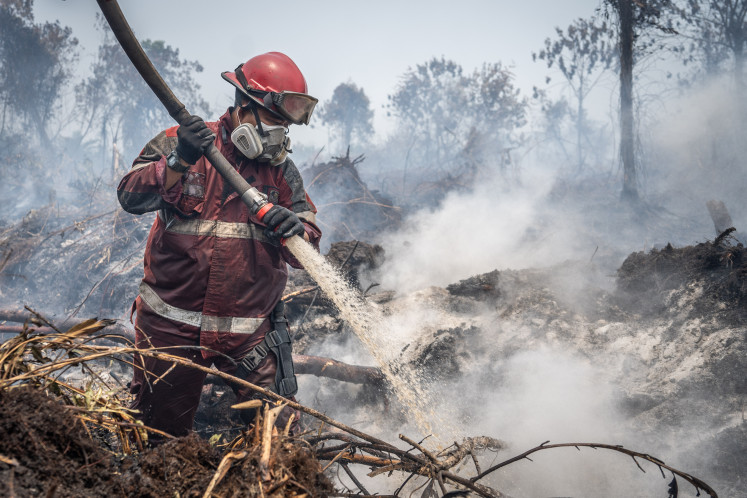
The haze in Sumatra and Kalimantan worsens each dry season, with satellite data revealing over 2,900 hotspots this month. More than 1,000 hotspots stretch across Sumatra, while Kalimantan experiences the highest concentration, scattered throughout its regions. Despite the consistent threat, the cycle of forest fires and haze persists, with palm oil plantations often blamed before any investigation can begin.
The debate on accountability intensifies as satellite dots reappear before the peak of the dry season. However, the issue demands a shift from assigning blame to enforcing genuine accountability on the ground. Fire hotspots can be detected, but identifying the true source and those responsible for prevention obligations is crucial.
Instead of labeling all parties involved harshly, it is essential to differentiate between those who intentionally set fires, those who neglected prevention measures, and those who were victims of the fire's spread. Holding companies accountable depends on assessing their control over the affected areas, the actions taken before, during, and after the fire, and whether their prevention systems were adequate.
By focusing on these questions, the process of justice and compliance can be restored, reducing the risk of injustice. The Jakarta Post invites readers to share their experiences, suggestions, and concerns regarding forest fire management and haze issues, emphasizing the need for a more nuanced and accountable approach.
Written by urgent.news from The Jakarta Post's reporting — not their text. Machine-written — may contain errors; check the original before relying on it.
Also reported by 1 other outlet
- Breaking the vicious cycle of forest fires and haze thejakartapost.com