Braving the odds: Parents of differently abled children in Keralam search for a bright spot
Even after a decade of passing the Rights of Persons with Disabilities Act, the plight of the parents of differently abled individuals continues. A. S. Jayanth meets some of the parents to document their struggles
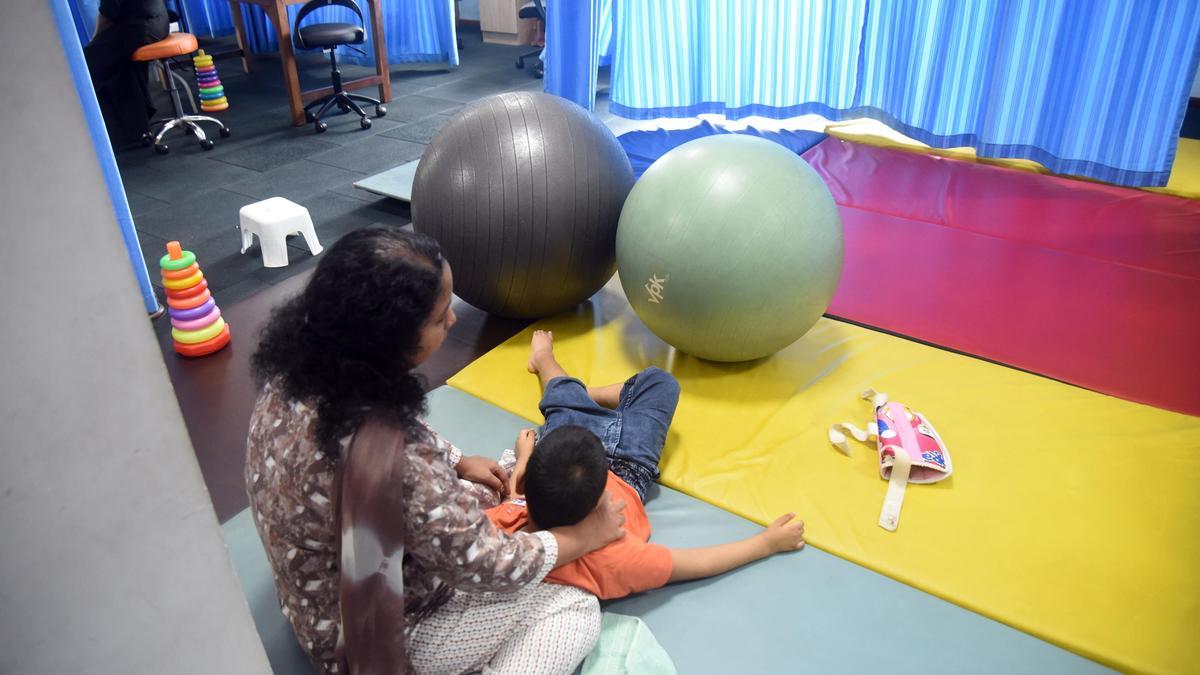
The journey of parents with differently abled children in Keralam is filled with challenges and obstacles. The story of Rani Mahesh, a resident of Koyilandy in Kozhikode, illustrates the difficulties faced by these families. When her husband was hospitalized, she wanted to be by his side, but could not leave her only child, who suffered from cerebral palsy, unattended.
She took her child to a privately run care home for differently abled children, where another parent, P.K. Jameela, stepped in to help. Rani's experience resonates with many parents in Keralam who are deeply connected to their children, even if their concerns often go unnoticed.
Dr. K. N. Roshan Bijlee, director of CRC, a network of institutions dedicated to the rehabilitation and empowerment of persons with disabilities, explains that parents go through various stages of grief. There is denial, anger, a struggle to overcome the situation, sadness, and finally acceptance. In addition to these emotional battles, some men have abandoned their wives, blaming them for their child's condition.
As children grow older, their challenges change, and parents become concerned about their future. In the past year, there have been over 20 cases of adults with disabilities attempting to harm themselves or their parents in Keralam. A significant concern for many parents is the safety and well-being of their children when they are not around, especially for girls.
Managing menstrual hygiene and dealing with sleeplessness are common issues faced by parents, and social stigma often forces them to keep their differently abled children away from events like weddings.
D. K. Babu, a retired college teacher whose son is differently abled, acknowledges the importance of the Rights of Persons with Disabilities Act, but worries that society still needs to accept the reality that many of these individuals cannot survive without parental care. Social activists note that parents, particularly mothers, often have to forgo their education, careers, and social lives to care for their children.
A survey conducted by a private care home center revealed that many parents, including those with PhDs and postgraduate degrees, are unable to pursue careers due to their caregiving responsibilities. They also avoid social events to protect their children from judgment. Dr. U. Nandakumar, a former professor of Physical Medicine and Rehabilitation, highlights the conservative attitudes in Keralam that blame mothers for their children's conditions and the dangers of seeking magical cures, which often lead to financial ruin.
T. K. Muhammed Yunus, general secretary of a private care home and convener of the local-level committee of National Trust of India, emphasizes the need to financially empower parents and improve mental health support. He suggests better follow-up and evaluation of existing projects and schemes and proposes a convergence between the Departments of Education, Health, and Social Justice to address the concerns of families living with differently abled individuals.
Written by urgent.news from The Hindu's reporting — not their text. Machine-written — may contain errors; check the original before relying on it.