Best of Both Sides: Saying no will have a price
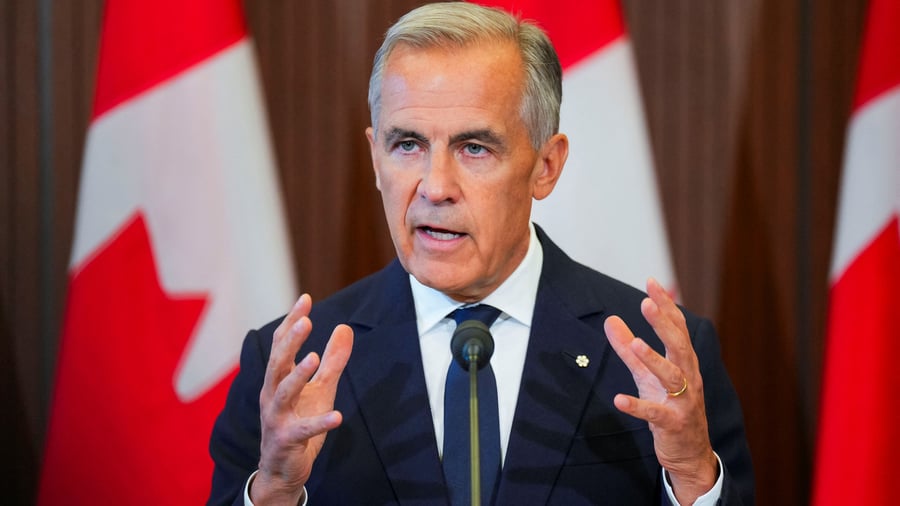
Mark Carney, Canada's governor, is grappling with a tense trade standoff with the United States. Over 70 percent of Canada's trade is with the US, a stark contrast to the 15 percent of US trade with Canada. The US administration, led by Donald Trump, views Canada as a potential 51st state or vassal state, limiting its ability to make independent decisions.
Washington has threatened a 50 percent tariff on Canadian autos and steel, with the possibility of retaliatory tariffs on Canadian oil and electricity exports from January 1. This could lead to higher prices and potentially increased unemployment on both sides of the border. However, history shows that stronger nations sometimes provoke nationalism in weaker ones, as is occurring in Canada today.
Carney cannot accept a trade deal that might become a domestic quagmire for him and the Liberal Party, especially considering the strong opposition in provinces like Ontario and Quebec. In addition, separatist movements in Quebec and Alberta could gain momentum if Ottawa appears to be submitting to American pressure. Washington may have underestimated Canada's domestic dynamics and the potential implications for its federalism.
Carney believes Canada has several strategic options, including negotiating with other countries like China and India to diversify its trade relationships and reduce its dependence on the US market. The Trump administration may be in a hurry due to upcoming elections, and Carney may be banking on the mercurial president abandoning the agreement over other issues or a possible Democratic victory imposing more restraints on Trump's unilateralism.
Canada's decision to stand firm in the face of US pressure could provide other countries with an example of how to resist neo-imperialism and neo-mercantilism. Despite the challenges, Canada has a history of resisting US military interventions and maintaining relations with Cuba, even when under US pressure to isolate the regime.
The writer, a distinguished professor at McGill University, believes that Canada's refusal to concede may serve the international order by highlighting the stakes in unequal relationships.
Written by urgent.news from The Indian Express's reporting — not their text. Machine-written — may contain errors; check the original before relying on it.
This story
This is one outlet's version. Read the fullest account.
- Best of Both Sides: Carney’s defiance is well thought out indianexpress.com