Bariatric surgeon lists signs you’re consuming too much protein: ‘Fat loss won’t happen’
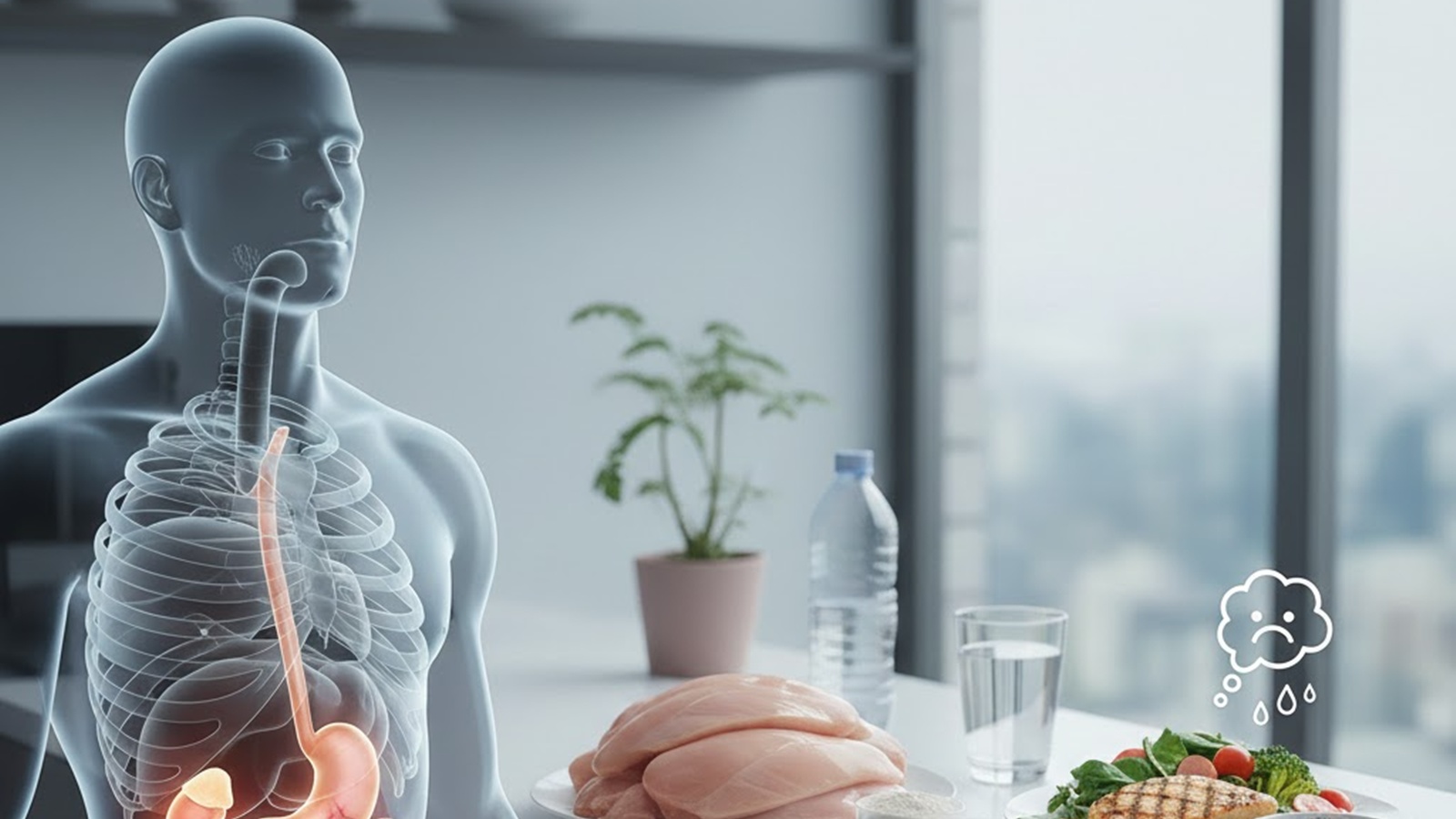
While protein plays a crucial role in muscle repair, immune function, and other bodily processes, excessive consumption can lead to adverse effects, according to Dr Prashant Hansraj Salvi, a consultant in minimally invasive, bariatric, and metabolic surgery at Jupiter Hospital in Thane.
High-protein diets often lack sufficient fibre, fruits, vegetables, and complex carbohydrates, which can result in bloating and constipation. This happens because fibre supports gut movement and healthy bacteria. Dairy-based proteins like whey or paneer might also cause discomfort in individuals who are lactose-sensitive.
Dr Salvi also warned that very high-protein, low-carbohydrate diets can push the body into ketosis, causing bad breath and excessive thirst. The kidneys need more water to excrete protein metabolism by-products, especially urea. If liquid intake doesn't match protein intake, dehydration might occur.
Moreover, too much dairy protein in some individuals might worsen acne. Moodiness or fatigue can also happen when carbohydrates are drastically cut, as carbs are essential for serotonin production and steady energy. A diet that is too one-sided can impact both physical and mental well-being.
In healthy individuals, moderate protein increases are usually well tolerated. However, those with pre-existing kidney disease should be cautious, as chronic excessive protein intake over time can increase the workload on the kidneys. Medical supervision is crucial for people with underlying conditions.
Lastly, Dr Salvi emphasized that high protein intake still contains calories. If total calorie intake exceeds energy use, fat loss won't happen. Misjudging protein needs or eating large portions can stall progress. He advised aiming for balanced meals that include protein with fibre-rich vegetables, adequate fluids, healthy fats, and sensible carbohydrates. More protein isn't always better, and personalized advice based on age, activity level, and medical history is recommended over extreme measures.
Written by urgent.news from The Indian Express - Lifestyle's reporting — not their text. Machine-written — may contain errors; check the original before relying on it.
This story
This is one outlet's version. Read the fullest account.