Bank account freezes can help fight crime, not silence critics
When the state freezes an activist’s bank accounts mid-protest, it isn't routine law enforcement. It is an urgent test of whether the rule of law controls the police or punishes dissent.
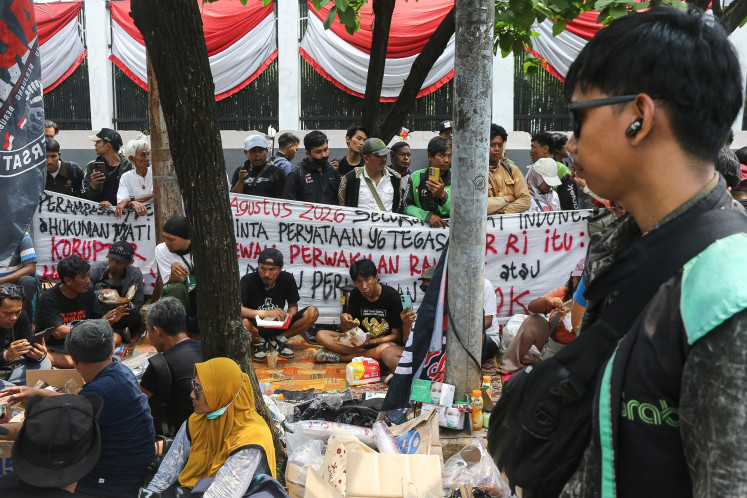
The Indonesian state's freezing of an activist's bank account during a peaceful protest has sparked a debate about the balance between law enforcement and human rights protection. In this case, Bank Mandiri froze the account of Supriyono, a coordinator for the Pati United Community Alliance, after the police requested the action.
The protest was in support of demanding the quick passage of the Asset Forfeiture Bill. The freezing of Supriyono's account was not the first time the organization had taken to the streets; they had previously protested against rising local property taxes and called for the resignation of a local regent. In light of Law No. 20/2025, which explicitly designates account freezing as a compulsory legal measure, the Indonesian government is under scrutiny to answer questions about who authorized the freeze, the legal mandate behind it, and its purpose.
Article 89 of the revised code ranks account freezing alongside other critical law enforcement actions, and Article 140 stipulates that freezing generally requires court approval. However, there is an exception for warrantless freezes in cases of imminent asset flight or organized crime conspiracies, which must be approved by a court within 48 hours. If denied, the freeze must be lifted within three working days.
Written by urgent.news from The Jakarta Post's reporting — not their text. Machine-written — may contain errors; check the original before relying on it.
Also reported by 1 other outlet
- Bank account freezes can help fight crime, not silence critics thejakartapost.com