Are literary translators redundant in an age of AI? Rita Kothari, Arunava Sinha answer
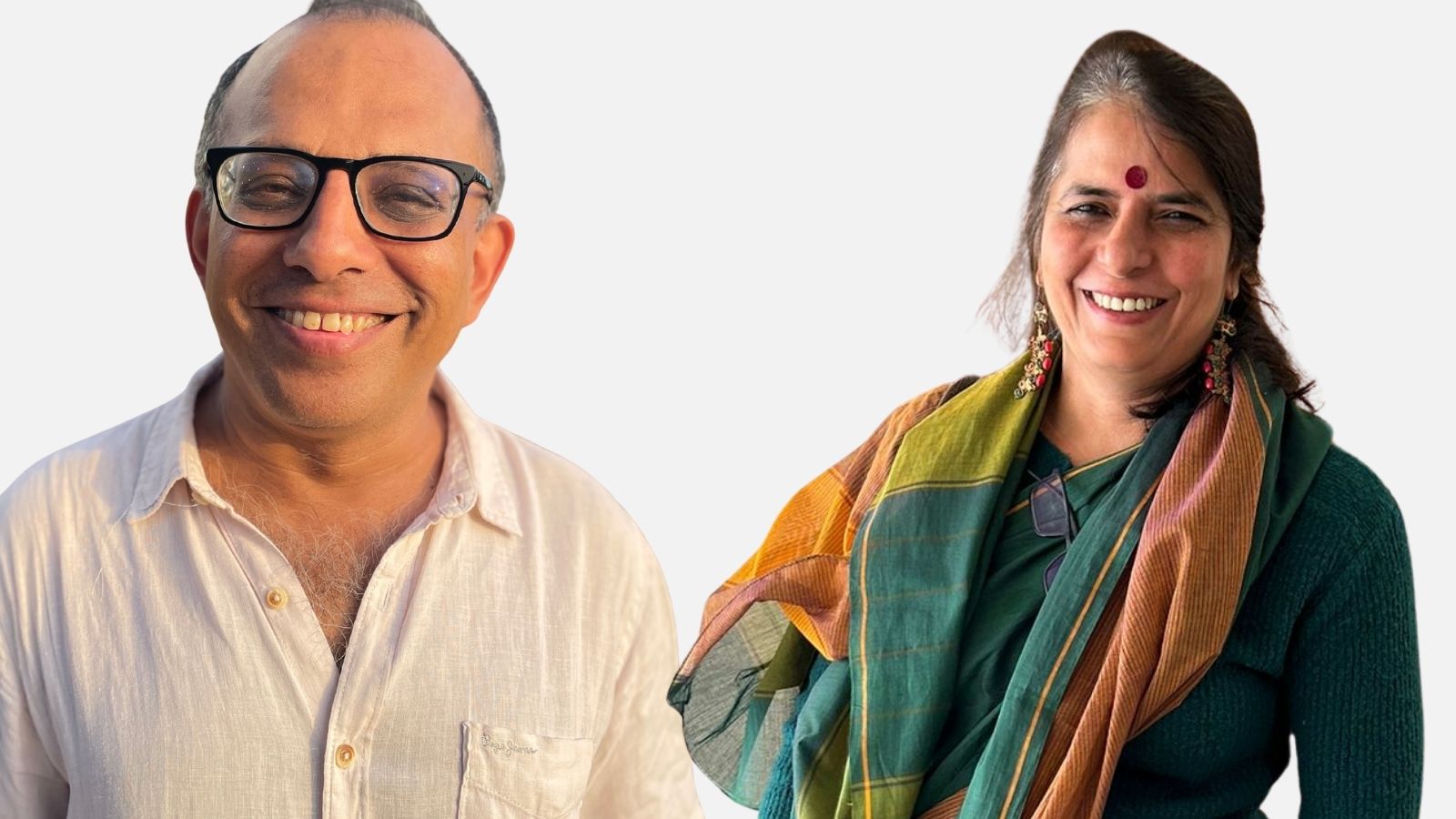
At a time when artificial intelligence is thought to be eroding creative endeavors, Professors Rita Kothari and Arunava Sinha contend that the era of Indian translation is thriving. Ahead of the national translation conference, Bhashavaad 3.0, co-directed by the two scholars at Ashoka University's Centre for Translation, they discussed the continued importance of literary translators and the challenges facing Indian languages.
The conference kicked off with the question, "Are Translators Redundant?" Kothari and Sinha do not subscribe to the notion of redundancy.
Good literature is intricately layered, Kothari explains. It requires translators to immerse themselves in the language's nuances, deeply contextualize the words, and traverse cultural divides. While AI tools can assist with research, Sinha cautions that the method employed by AI fails to capture the human element. The algorithm's predictability model, which thrives on volume-driven and mechanical approaches, falls short when dealing with nuanced thought.
The Centre for Translation has experimented with AI translation, but the results remain risky. Occasionally, AI produces bizarre outputs, resulting in significant errors. Kothari asserts that human oversight is indispensable, as the AI agent's role can be supplanted by a human translator. However, the AI's lack of sufficient data poses a major challenge, particularly for translations between Indian languages. A vast corpus of text is required to enhance the AI's probabilistic analysis.
Despite the AI-anxiety, Kothari and Sinha remain optimistic about the state of translation in India. Kothari emphasizes the growing interest in translation, attributing the issue to an absence of infrastructural frameworks. The concept of cross-dialogue between literary works in different languages is lacking, and this deficiency must be addressed.
Sinha highlights the scarcity of biliterate individuals who could facilitate translation between non-English Indian languages, a situation exacerbated by the diminishing role of such individuals in recent years.
Written by urgent.news from The Indian Express's reporting — not their text. Machine-written — may contain errors; check the original before relying on it.