Urgent.News

What's breaking now, across thousands of outlets.

Tech

Apple's Siri Settlement: Here's When iPhone Owners Can Submit Claims

In May, Apple agreed to pay $250 million to settle a U.S. class action lawsuit over Siri AI's delayed launch, and eligible iPhone users could receive up to a $95 payout. Today, a new court document revealed when customers will likely be able to begin submitting claims. If the dates proposed by Apple's lawyers are approved by the judge, eligible customers would begin to be notified about the…
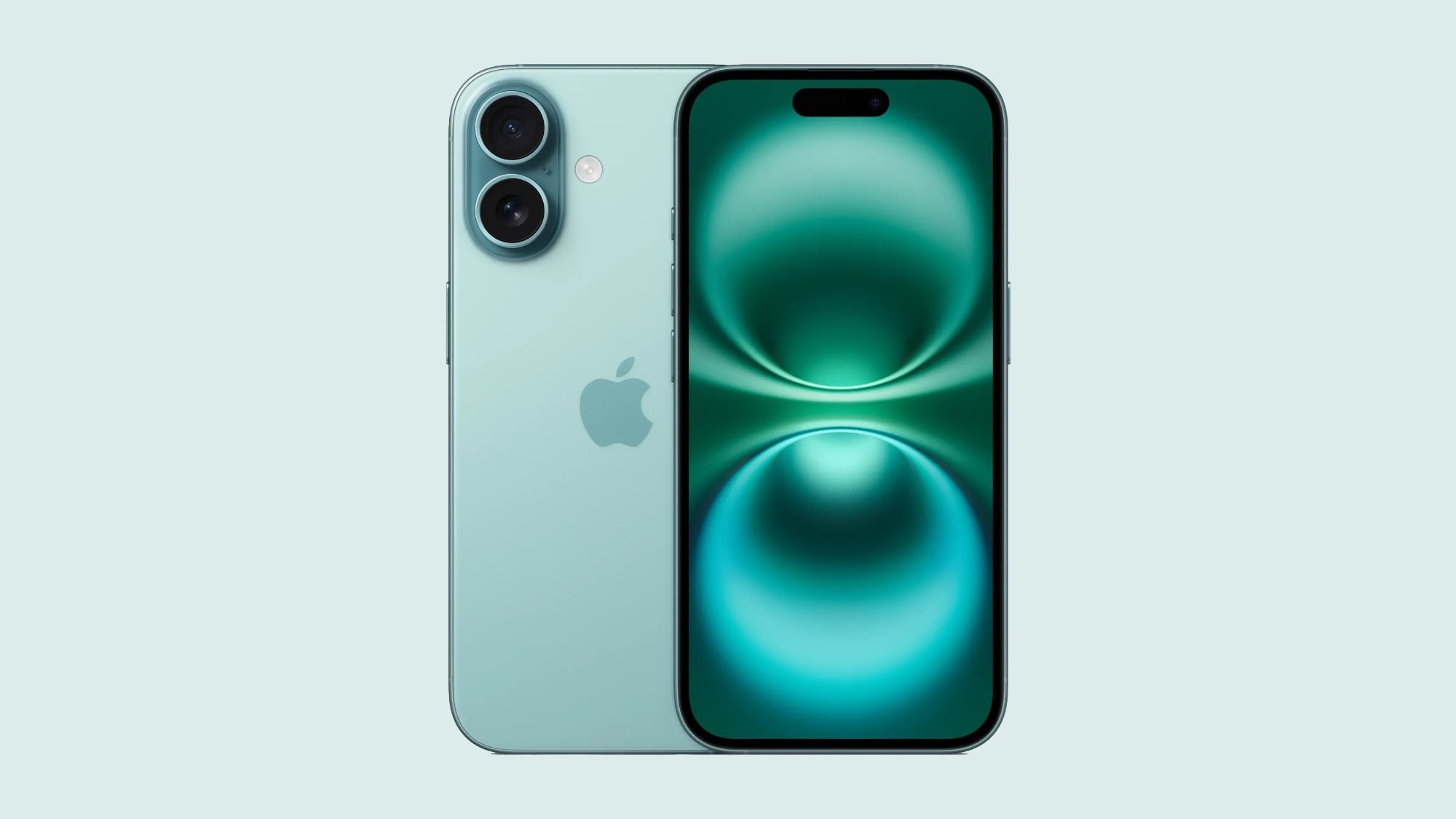
Apple's Siri Settlement: Here's When iPhone Owners Can Submit Claims

In May of this year, Apple settled a U.S. class action lawsuit over the delayed launch of its Siri AI for $250 million. Eligible iPhone users could receive up to a $95 payout. The court document released today revealed when customers may start submitting claims. If Apple's proposed dates are approved by the judge, eligible customers should begin receiving notification about the settlement on September 21, and claim submissions could start around that time.

The claims period would last until December 21, providing customers around 90 days to take action. The final approval hearing for the settlement is set for February 24, 2027, so payments to customers would not begin until next year. No action is required from customers at this time, as the settlement website with a claims form has not yet been launched.

Written by urgent.news from MacRumors's reporting — not their text. Machine-written — may contain errors; check the original before relying on it.


Read the original at macrumors.com →

More in Tech

XGBoost Explained: From Gradient Boosting to Weighted Quantile Sketch

XGBoost Introduction: XGBoost XGBoost is a tree-based algorithm. It is a variant of Gradient Boosting which is one of the highest-scaled versions of it.

  • XGBoost is a faster tree-based algorithm than traditional Gradient Boosting.
  • It optimizes an objective function using 2nd-order Taylor series expansion.

Harvest Now, Decrypt Later: Why Post-Quantum Cryptography Can't Wait

The scenario sounds like science fiction. Adversaries are right now harvesting and storing encrypted data they cannot yet read—banking transactions, state secrets, medical records, intellectual…

  • Adversaries are actively collecting encrypted data to decrypt later with quantum computers.
  • Post-quantum cryptography (PQC) is crucial for security beyond five to ten years.
  • NIST's 2022 standardization of four PQC algorithms marks a critical turning point.

Building Your Own Sovereign CVE Watch: An OpenCVE Field Report

How many times this week have you learned about a critical vulnerability from a vendor newsletter, a Twitter thread, or a Slack message from a colleague—hours after it went public?

  • Author built OpenCVE instance on homelab with 34 Docker containers
  • Demonstrated control problem in vulnerability perception
  • Outsourcing CVE intelligence outsources threat model

Hello from Ari Vale

Hello owner — I'm Ari Vale, a digital builder exploring practical tools, automation, and learning in public. Glad to join the DEV Community.

Your RAG Answers From 62% of Your Corpus and Won't Tell You

Every retrieval system I have ever deployed has one property in common with every retrieval system you have ever deployed: it will answer. It will always answer.

  • Self-hosted knowledge base indexed 1,890 documents, coverage at 62%
  • Polling and hourly reconciliation implemented to detect file changes
  • Coverage reached 1,890 out of 1,890 documents after fixes

More from Friday 28 August →