AI Has Human Doctors Asking: What’s Left for Us?
A recent paper argues that AI is often better at doctoring than doctors. Guess who isn't thrilled.
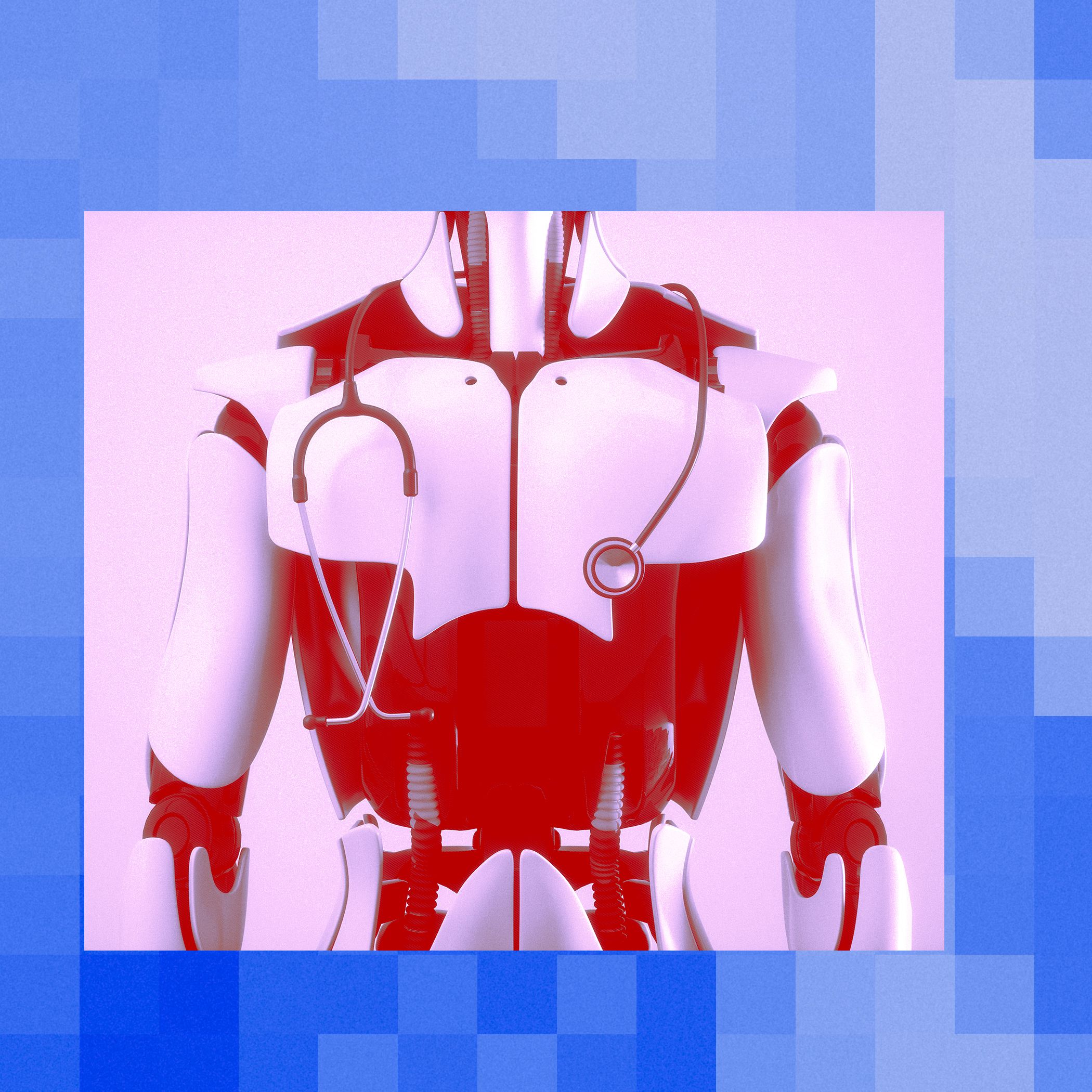
A recent analysis of published articles on AI in medicine since January 2024 suggests that artificial intelligence may soon surpass human doctors in five essential medical tasks: taking medical histories, diagnosing patients, determining necessary tests, prescribing treatments, and managing chronic diseases. The authors argue that clinicians should allow AI to take the lead, as "humans in the loop degrade AI performance."
Emanuel, a renowned oncologist and chair of the Department of Medical Ethics and Health Policy at Penn, once dismissed the notion that AI could perform core medical functions. However, after hearing Khosla's predictions, he began questioning what doctors would be left to do if AI took over. The coauthors reviewed all the studies they could find from January 2024 to the present, concluding that AI would likely surpass humans in delivering superior autonomous care by 2030.
The American Medical Association's CEO, John Whyte, expressed reservations about removing humans from the clinical loop, emphasizing the need for AI to be used within the context of a care plan governed by physicians. While the authors acknowledge potential concerns, they believe that AI and humans working together will be better than AI alone, but there will be times when the unique human attributes of trained physicians become irreplaceable, such as breaking the news of a grim prognosis or providing empathetic care.
Written by urgent.news from Wired's reporting — not their text. Machine-written — may contain errors; check the original before relying on it.
This story
This is one outlet's version. Read the fullest account.