World's soils deteriorating while solutions go unused: UN
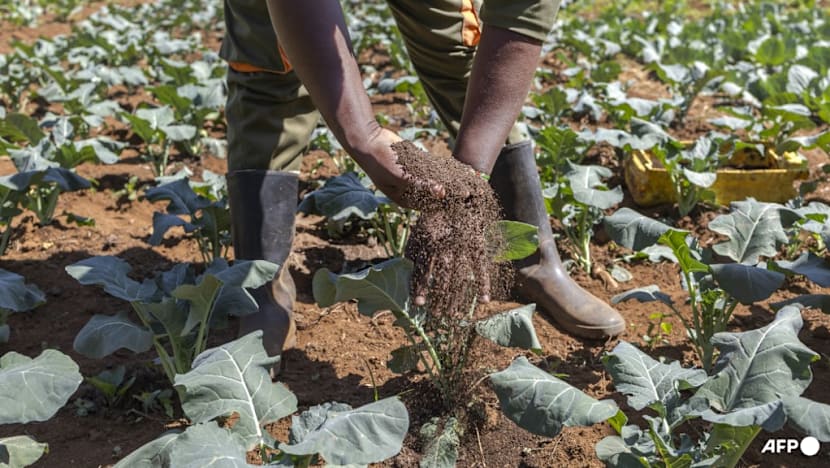
A recent UN report reveals that more than half of the world's soils are in poor condition, posing a threat to global food supplies and biodiversity. The United Nations' Food and Agriculture Organization (FAO) warns that current practices of soil exploitation must shift towards soil stewardship. Soils support 95% of food production, host 59% of global biodiversity, and are the planet's second-largest carbon sink after the oceans. Despite this, soil degradation continues to accelerate at an alarming rate.
The report indicates that soil management is poor or very poor in 52.5% of regions and subregions, fair in a third, and good or very good in only 14%. This is a significant deterioration from a 2015 study, which found most of the world's soils were in fair, poor, or very poor condition. Since then, the global population has increased by 800 million people, and an additional 80 million hectares (around 200 million acres) of land have been allocated to major crops.
The greatest threat to soil health is erosion, caused by unsustainable practices. Other threats include loss of soil organic carbon, nutrient mismanagement, depleted soil biodiversity, salt buildup, pollution, and urban expansion. Climate change further exacerbates these issues, while soil degradation itself contributes to climate change.
The FAO notes that most techniques for protecting and restoring soils were known before 2015 but remain underutilized. Soil management improved in just 10% of assessed areas and worsened in 58%. Some effective methods to reduce soil degradation include reducing tillage, planting cover crops, adopting agroforestry practices, and optimizing the use of natural and artificial fertilizers.
However, limited access to resources and high upfront costs are preventing farmers from implementing better soil management techniques. The FAO calls for greater financial incentives, localized data, and the integration of indigenous knowledge to overcome these barriers.
Written by urgent.news from Channel News Asia's reporting — not their text. Machine-written — may contain errors; check the original before relying on it.