Women head most agricultural households but remain underrepresented in commercial farm ownership
Despite heading the majority of South African agricultural households, women still struggle for equal ownership and decision-making power in the commercial farming sector.
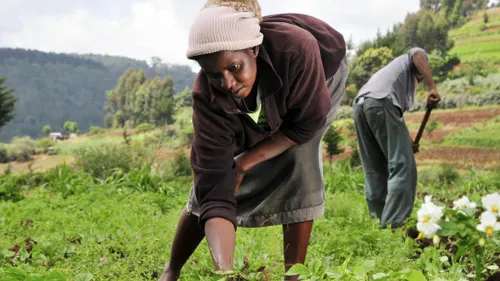
Over half of South Africa's agricultural households are now led by women, however, women still face significant barriers when it comes to owning and managing commercial farms. According to new analysis by Statistics South Africa for Women's Month, women headed 52.9% of agricultural households in 2022, up from 47.9% in 2011. This trend is particularly significant in rural areas, with higher levels of agricultural activity among women-headed households in KwaZulu-Natal, the Eastern Cape, and Limpopo compared to more urbanized provinces like Gauteng and the Western Cape.
Women are involved in various agricultural activities, including livestock, poultry, crops, fruits, and vegetables. Yet, when transitioning from household agriculture to commercial farming, women's representation drops dramatically. In 2018, women accounted for only 20.5% of owners of farming and related-services enterprises, an improvement from 19.1% in 2007. This indicates that while women's involvement in agriculture has increased at the household level, their presence in commercial farming remains limited.
The disparity between women's roles in household agriculture and the commercial sector is also evident in decision-making positions. In 2018, women made up about a third of full-time employees in farming and related services, but only 15.6% of farm managers. Additionally, more than two-thirds of administrative positions on farms were occupied by women.
Despite their significant contribution, women often work unpaid in family farming operations. In 2018, more than four in ten family members working without pay in farming and related services were women, a trend that remained prevalent in major agricultural provinces like Limpopo, the Eastern Cape, and KwaZulu-Natal.
The data highlights a dual picture of women's role in South African agriculture. While women now head the majority of agricultural households, their presence in the commercial sector is still low. Statistics South Africa emphasizes the need for policies and programs that improve women's access to resources, agricultural support services, and market opportunities. Monitoring women's participation in agriculture is crucial for assessing progress towards inclusive and sustainable rural development.
Written by urgent.news from IOL's reporting — not their text. Machine-written — may contain errors; check the original before relying on it.