Why climate extremes will not stop expansion of China’s nuclear power industry
While extreme weather is disrupting nuclear power generation in some parts of the world, it is unlikely to derail China’s rapid expansion in the sector, according to an industry specialist. The unusually hot and dry summer has disrupted reactors across Europe, forcing units to shut down from France to Romania, as river levels have fallen and water temperatures risen. France – where nuclear…
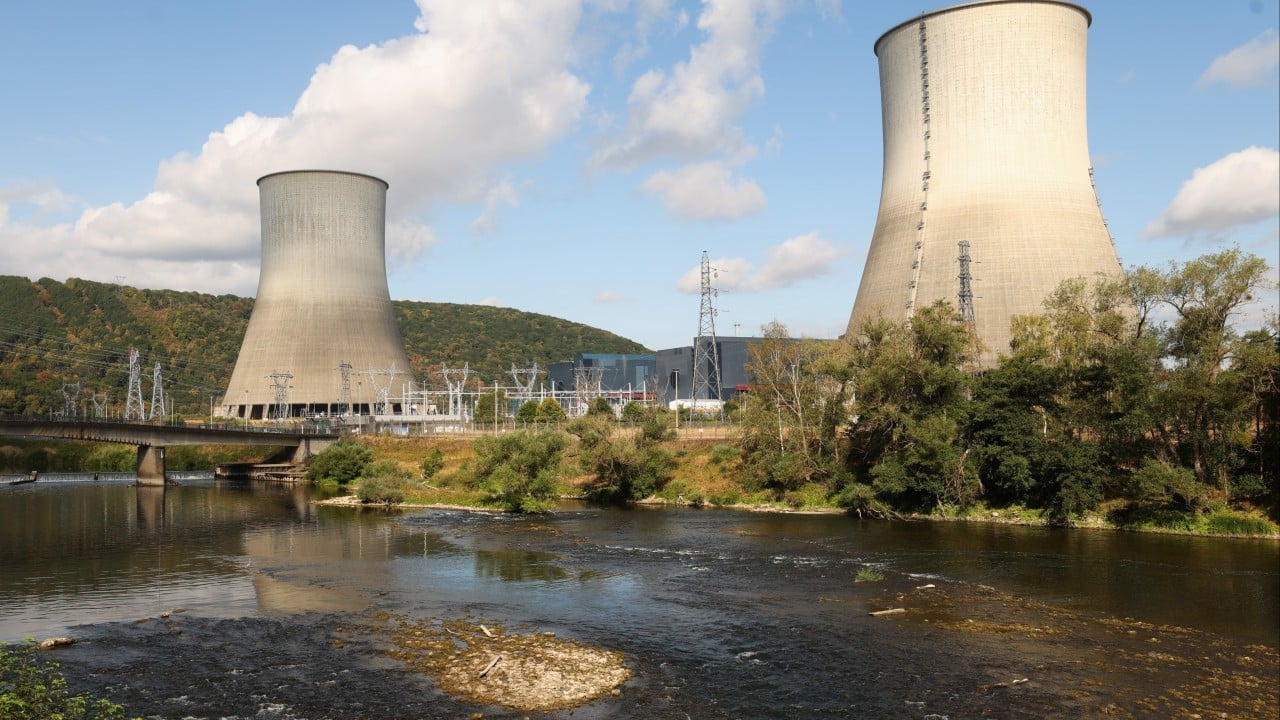
Extreme weather events have been disrupting nuclear power generation in various parts of the world, yet China's nuclear industry continues to expand rapidly, according to industry expert Francois Morin. Unlike European reactors, which are primarily built near rivers and rely on local water supplies for cooling, China's nuclear facilities are predominantly situated along the coast.
This strategic placement allows them to utilize open seawater for cooling, rendering them less susceptible to droughts and heatwaves. Morin, the China director of the World Nuclear Association, assured that while coastal regions face various threats due to extreme weather, such as storms and rising sea levels, China has a comprehensive understanding of typhoons, which typically pose no significant risk to its nuclear reactors.
The Lufeng nuclear power project in Guangdong province exemplifies how China has incorporated extreme weather factors into its nuclear safety planning from the initial design stages. Located in a region frequently exposed to typhoons, torrential rain, and storm surges, the Lufeng project's six third-generation nuclear units have been engineered to withstand powerful typhoons, torrential rain, and storm surges.
The site features robust flood defenses capable of handling significant rainfall events and includes a comprehensive early-warning and emergency-response system. Despite facing numerous typhoons, the Lufeng project has remained safe and operable, with no reported safety incidents. Morin also highlighted China's technological advancements, noting that the country is developing next-generation reactor designs that require less water and offer enhanced safety features.
While China currently has a lead in nuclear expansion due to its faster construction and lower costs, the industry faces the challenge of adapting to the impacts of climate change while simultaneously mitigating its effects.
Written by urgent.news from South China Morning Post's reporting — not their text. Machine-written — may contain errors; check the original before relying on it.