What is SPX option flow actually made of? A fifth still trades on a physical floor
Every print on the SPX options tape carries an OPRA condition code naming the pipe it came through: electronic book, complex order book, price-improvement auction, a multi-leg order legging into the simple book, or a human being on the trading floor in Chicago. Nobody appears to have published the composition for SPX — the one product where the answer is unusual. So we tabulated five years of it,…
Examining the composition of SPX option flow reveals some intriguing insights. The data breaks down every print on the SPX options tape and assigns it an OPRA condition code, revealing the routes through which the trades occur. While the majority (34.2%-34.8%) of the volume is still electronic trades in the simple book, the complex book and complex auctions are also significant contributors, growing from 36.1% to 44.7%.
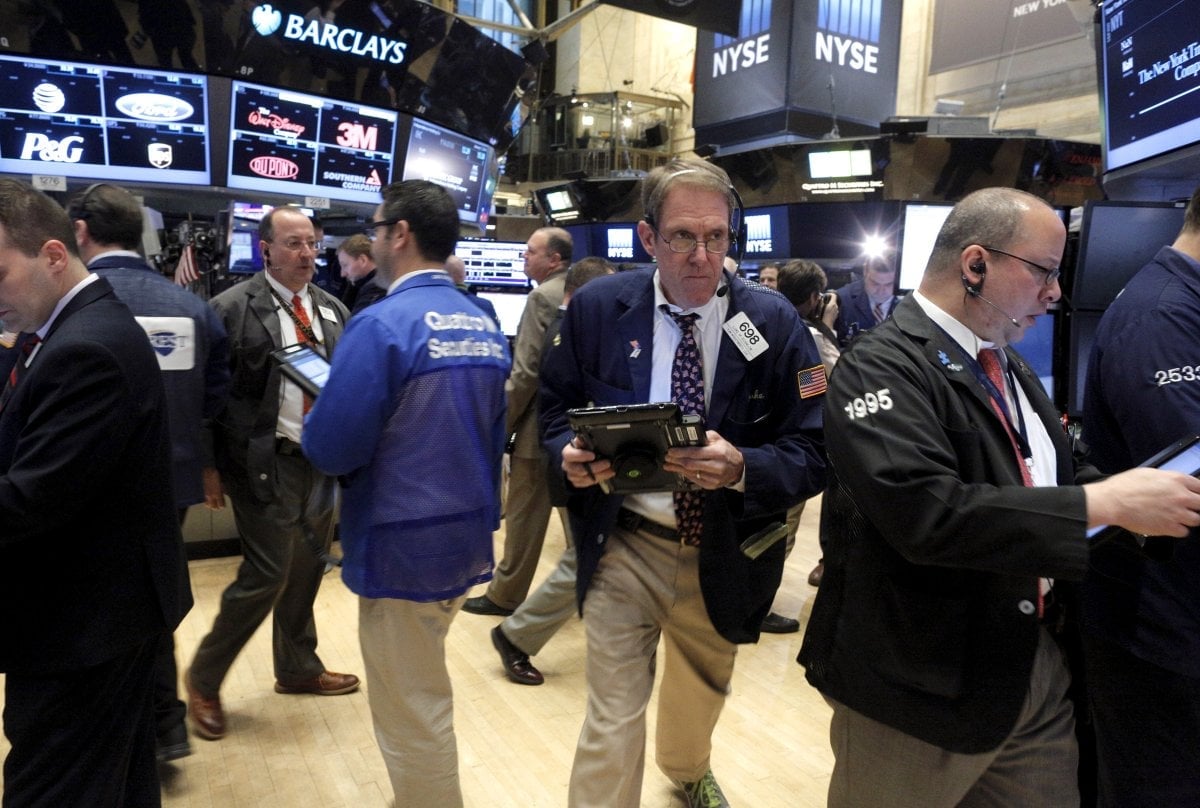
What sets SPX apart, however, is the presence of a physical floor where 20.8%-20.6% of the volume trades on an open outcry basis each year. Despite the perception that the floor is dying, it remains a steady fifth of the near book, consistently matching recent academic estimates. The dominant code on the floor is the proprietary-product multi-leg print, which involves complex structures negotiated by humans.
Meanwhile, the complex book continues to eat into the simple book, with the share of complex book and complex auctions rising from 36.1% to 44.7%, while simple electronic trades fell to 26%. The auction slice, previously thought to be negligible, has doubled, with 6.7% of the volume now attributed to AIM price-improvement auctions.
Interestingly, the initiator of an AIM auction is typically a retail customer 97.8% of the time, while the contra is a market maker 95.6% of the time. Most importantly, the small-lot auction internalization, the closest thing SPX has to a printed retail label, reached almost 10% of volume this year at the 0DTE expiry. Lastly, the signed book reveals that at the close, dealers end up net LONG gamma on 83% of sessions, indicating that the crowd's structural habit is to sell same-day optionality into the close.
Written by urgent.news from Dev.to's reporting — not their text. Machine-written — may contain errors; check the original before relying on it.