Wall St banks turn on each other as capital fight nears endgame
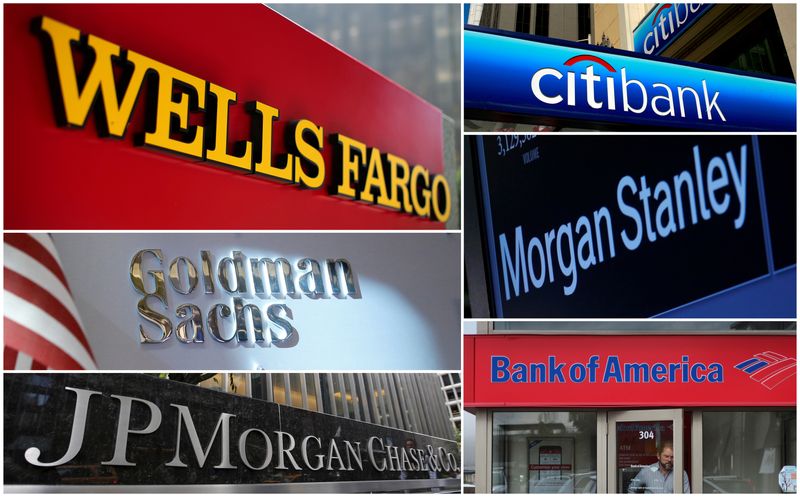
Wall Street's biggest banks, including JPMorgan, Bank of America, Goldman Sachs, and Morgan Stanley, have been at odds with each other as they near the end of a long-standing effort to relax capital rules. The Federal Reserve, which is completing a major overhaul of these rules, is proposing a significant change to a capital surcharge that applies to global systemically important U.S. banks, or GSIBs. This surcharge, which has been a point of contention for years, is now at the center of the conflict.
The Fed's proposal would revise how short-term wholesale funding, such as repo and commercial paper, is treated under the surcharge. This change is expected to benefit commercial rivals Morgan Stanley and Goldman Sachs, who are more reliant on short-term wholesale funding, while JPMorgan and Bank of America would miss out on billions in extra capital relief.
The revised surcharge aims to make it more sensitive to risk by focusing more on absolute exposure to short-term wholesale funding, rather than a ratio of risk-weighted assets. Both sides have lobbied the Fed, with JPMorgan and Bank of America arguing that the proposed change could hurt lending to small businesses and the economy, while Morgan Stanley and Goldman Sachs believe it would improve the rule's risk sensitivity.
The Fed's Vice Chair for Supervision, Michelle Bowman, has reportedly instructed banks to limit their feedback, and it remains unclear which side will prevail. The banks have been fighting for years to revise the surcharge, and the final decision could have significant implications for the future of lending and the overall economy.
Written by urgent.news from Yahoo Finance's reporting — not their text. Machine-written — may contain errors; check the original before relying on it.