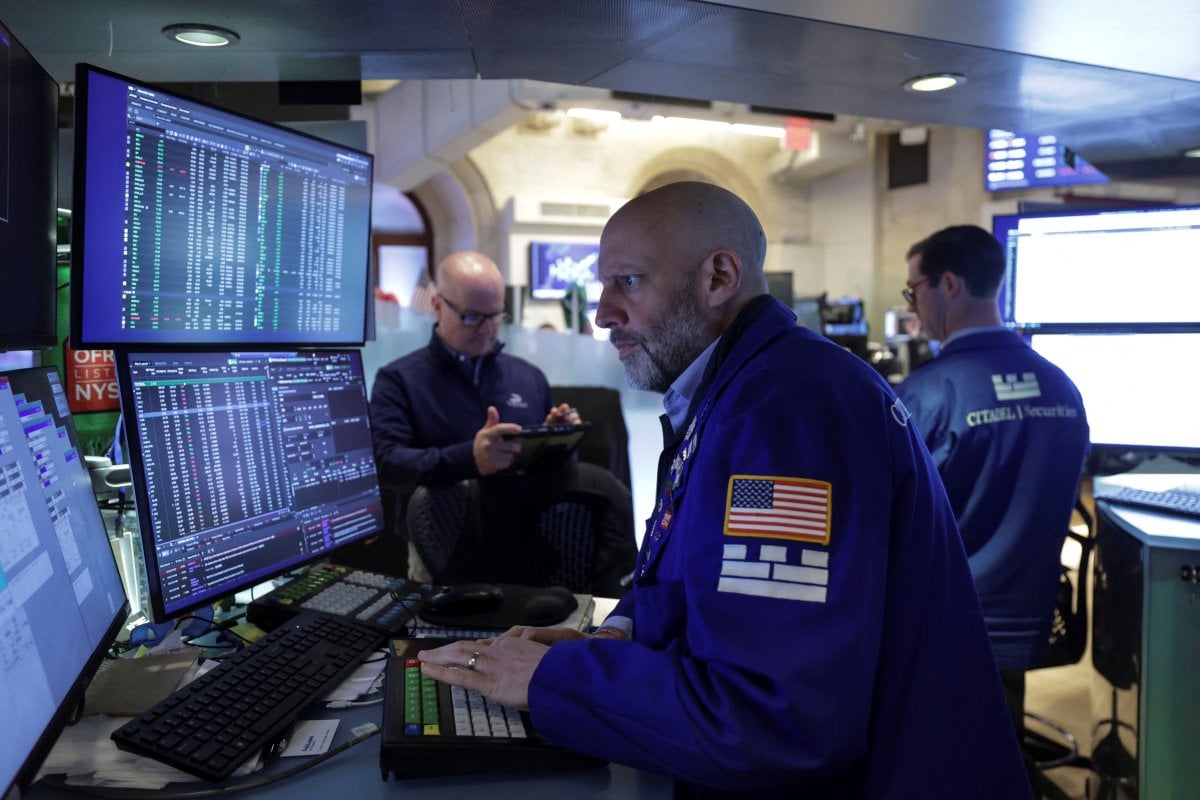
US yields tick higher as energy drop pauses amid Fed uncertainty
U.S. Treasury yields climbed on Thursday, reversing a recent multi-week downward trend as investors reduced duration positions ahead of Federal Reserve Chair Kevin Warsh's keynote at the Jackson Hole symposium. The 10-year Treasury yield climbed to 4.666%, a slight increase from Tuesday's low. The two-year yield rose slightly to 4.230%, nearing its highest level in over two weeks, while the 30-year yield ticked up to 5.186% after a brief dip.
This modest rise in borrowing costs signified a temporary pause in the global fixed-income rally, as energy markets stabilized and inflation concerns persisted, prompting cautious trading ahead of the central bank's guidance. The focus of fixed-income traders has shifted to Warsh's address on Friday at the Economic Policy Symposium in Jackson Hole, where he will provide crucial insights on the Fed's future policy direction.
Market participants are eagerly awaiting clarity on whether the Fed will maintain a tight monetary policy stance into the autumn or show signs of easing, considering mixed economic signals: While core PCE prices remained steady at 3.3% YoY, headline PCE acceleration to 3.7% highlighted lingering cost pressures. Despite elevated fiscal deficits, yields were initially supported by Treasury Secretary Scott Bessent's announcement of increased debt buybacks funded partially by the Treasury General Account.
Similar to European sovereign debt markets, U.S. yields surged in tandem with hawkish signals from Frankfurt. Germany's two-year bond yield rebounded to 2.810%, recovering from a two-week trough, while the 10-year Bund yield climbed to 3.226%, ending a brief decline below 3.20%. This upward movement in European yields was fueled by European Central Bank Executive Board member Isabel Schnabel's warning that rates must rise further to achieve the ECB's 2% inflation target.
Additionally, unexpectedly strong German consumer sentiment data for September suggested continued resilience in Europe's leading economy.
Written by urgent.news from Investing.com's reporting — not their text. Machine-written — may contain errors; check the original before relying on it.