US drug agency approves breakthrough treatment for pancreatic cancer
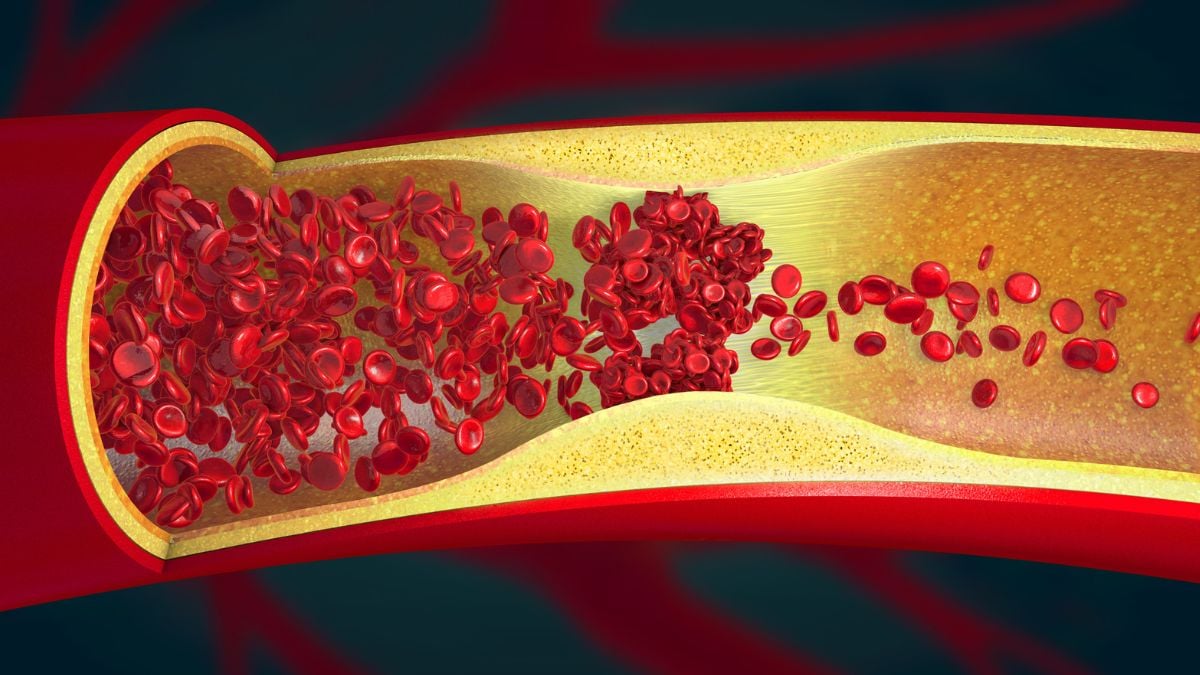
The US Food and Drug Administration has approved a treatment for pancreatic cancer that, in clinical trials, nearly doubled the overall survival time for patients. The drug, daraxonrasib, sold under the brand name Rasonque and manufactured by Revolution Medicines, appears to be a breakthrough in treating one of the world’s deadliest cancers. A late-stage clinical [...] The post US drug agency…
The United States Food and Drug Administration recently granted approval for a groundbreaking treatment targeting pancreatic cancer, which has shown promising results in clinical trials. The drug, daraxonrasib, marketed as Rasonque, was developed by Revolution Medicines and demonstrated the ability to significantly extend the lives of patients compared to traditional chemotherapy.
In a late-stage trial involving 500 participants, those who received the daily pill experienced an average survival time of 13.2 months, as opposed to 6.6 months for the chemotherapy group. The FDA emphasized that this drug provides a crucial new option for patients facing a particularly challenging and historically difficult-to-treat form of cancer.
Daraxonrasib functions by targeting the mutated KRAS gene, which is present in over 90% of pancreatic tumors and contributes to cancer progression. Pancreatic cancer is diagnosed in approximately 67,000 individuals annually in the United States, boasting the highest mortality rate among major cancers, according to the American Cancer Society.
Due to its late-stage detection and treatment difficulties, more than half of pancreatic cancer patients succumb within three months of diagnosis. In 2025, the FDA designated daraxonrasib as a "Breakthrough Therapy," recognizing its potential to expedite review for serious conditions with significant unmet medical needs. The drug was approved six months ahead of schedule due to its "unprecedented results in an area of high unmet need," stated Angelo de Claro, director of the FDA's Oncology Center of Excellence.
Common side effects of daraxonrasib include rash, diarrhea, nausea, fatigue, and vomiting, with 44% of patients experiencing severe reactions, compared to 57.5% of those treated with chemotherapy. Notably, former U.S. Senator Ben Sasse, who was diagnosed with Stage 4 pancreatic cancer in December, is participating in a clinical trial for the drug and reported that it has helped reduce the size of his tumors.
Written by urgent.news from KahawaTungu's reporting — not their text. Machine-written — may contain errors; check the original before relying on it.
This story
This is one outlet's version. Read the fullest account.
- US drug agency approves breakthrough treatment for pancreatic cancer adomonline.com
- US FDA approves landmark pancreatic cancer drug Rasonque: Here's how much will it cost you livemint.com
- US drug agency approves breakthrough treatment for pancreatic cancer myjoyonline.com
- US approves new drug for advanced pancreatic cancer english.ajel.sa
- US drug agency approves breakthrough treatment for pancreatic cancer bbc.co.uk