This Is What Happens When 1,000 People Bury Their Underwear for Science
Talk about getting to the bottom of things The post This Is What Happens When 1,000 People Bury Their Underwear for Science appeared first on Nautilus .
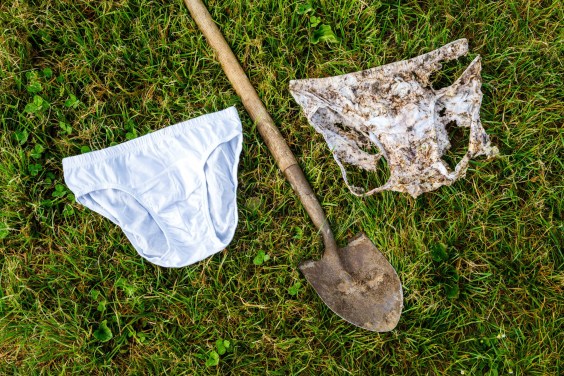
Soil is teeming with life, including bacteria, fungi, earthworms, and other microorganisms. These organisms play a crucial role in maintaining a fertile ecosystem by recycling organic matter, aerating the soil, and producing essential nutrients. To gauge the vitality of soil, researchers at the University of Zurich launched a unique citizen science project involving over 1,000 participants.
The study, published in the journal Plants, People, Planet, aimed to assess soil health across Switzerland. Participants were provided with two pairs of clean underwear, 12 teabags, and a baggie for soil samples. They were instructed to dig holes in various locations, collect soil samples, bury the underwear and teabags, and leave them for either 30 or 60 days.
After the designated period, the participants dug up their samples, took photos, and mailed everything to the lab. The researchers analyzed the degree of decomposition in the samples to determine soil activity. The findings revealed that private gardens, which contained more organic matter, exhibited the highest decomposition rates, with 58% of the cotton underwear disappearing after two months.
In contrast, underwear buried in lawns showed slower decomposition, averaging only 40% decay after the same period. Fields and meadows fell somewhere in between these two extremes. The researchers emphasized that land management practices significantly impact soil health and quality. They dubbed their method the "underwear index," noting that this approach offers a simple, engaging, and sensory way to measure soil vitality.
Moreover, the decomposed underwear were repurposed into a dress, highlighting the creative potential of this citizen science endeavor.
Written by urgent.news from Nautilus's reporting — not their text. Machine-written — may contain errors; check the original before relying on it.