The world’s mountains are ticking time bombs
Mountains have for millennia been a symbol of immovable stability. A warming planet is undermining that, leaving landslides, floods, and avalanches in its wake.
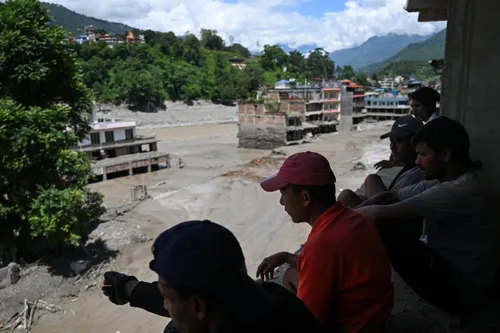
The world's mountains, once symbols of immovable stability, are now facing unprecedented threats due to climate change. Recent events, such as the flash floods that struck the border between Nepal and China's Tibet region, have highlighted the devastating consequences of these changes. At least 157 people have been confirmed dead, with hundreds more still missing, after a wall of mud and rock swept through valleys in the Himalayas.
Preliminary investigations suggest that a slide of ice and rock unleashed a surge of water, debris, and boulders downstream, potentially leaving behind a new dam that could trigger further flash flooding if it collapses. While individual weather events can be linked to global warming with varying degrees of confidence, the broader impact on mountain landscapes is clear.
Nearly a quarter of the planet's land area lies beneath ice sheets or within permafrost regions, providing crucial stability to high-altitude terrain. As temperatures rise, this frozen structure weakens, leading to sudden collapses and exacerbating the risk of landslides, floods, and avalanches. The evidence of accelerating instability is mounting, with glacier ice losses increasing in recent years and glacial lake outburst floods becoming more frequent. Despite the tragic loss of life, this week's tragedy may not even be the worst instance.
Brief written by urgent.news from IOL's own syndicated text. Machine-written — may contain errors; check the original before relying on it.