The reason some women start walking ‘like penguins’ after 60: ‘And it doesn’t stop…’
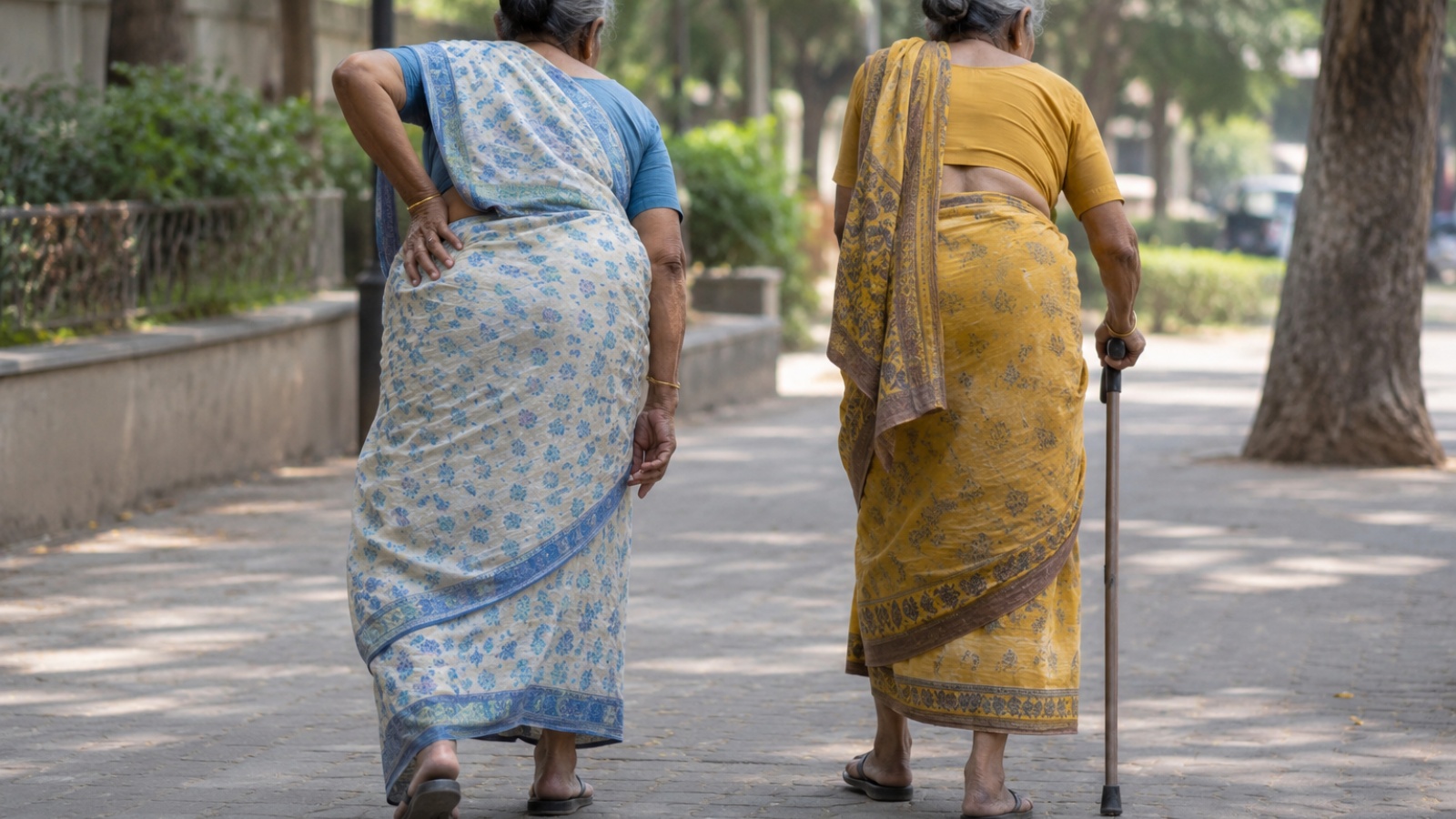
A side-to-side, "penguin-like" walk in women may appear to be a simple consequence of aging, but it should not be dismissed casually. Physiotherapist Dr Akash Singh recently explained that this pattern, called a waddling gait, can be linked to weakness in the hip muscles. "Why do so many Indian moms start walking like a penguin after 60?", Dr Singh wrote on Instagram.
He further added that this side-to-side walking pattern is caused by weakness in the gluteus medius and hip flexors. When walking, one leg supports the body's balance for a moment. The gluteus medius helps maintain pelvic stability during this phase. If it's weak, the pelvis may drop, causing the body to lean and the walk to appear waddling. Weakness in hip flexors also makes lifting the leg more difficult, exacerbating the problem.
"Waddling gait doesn't stop at walking alone," Dr Singh wrote. Poor hip and pelvic control can lead to lower-back compensation, back pain, knee instability, poor balance, and a higher risk of falls.
Is a waddling gait a normal part of aging? Dr Gaurav Prakash Bhardwaj, Director & Senior Consultant at PSRI Hospital, suggests it's not necessarily so. While aging can cause a decline in walking speed, balance, and muscle strength, a noticeable waddling gait should not be considered a normal effect of aging. "A noticeable side-to-side or 'waddling' walk may be a sign of weakness of the hip and pelvic muscles, particularly the gluteal muscles," Dr Bhardwaj stated.
He also mentioned that reduced mobility, previous injuries, and other medical conditions can influence walking patterns. A new or worsening change in gait should not be dismissed as simply an effect of aging.
Written by urgent.news from The Indian Express - Lifestyle's reporting — not their text. Machine-written — may contain errors; check the original before relying on it.
This story
This is one outlet's version. Read the fullest account.