The Prehistoric Paintings on the Walls of Caves Have Always Been Moving. But With the Right Kind of Light, Some Actually Seem to Move
As archaeologists study the work of ancient artists, they notice that the images aren’t simply static; some are painted into the contours of the rock and other are set in motion in torchlight
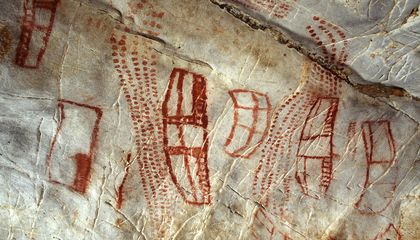
In the depths of northern Spain's El Castillo cave, prehistoric artists created thousands of intricate drawings and engravings between 13,000 and 41,000 years ago. These artworks include hand stencils, geometric patterns, and depictions of various animals. The cave was inhabited by humans for thousands of years, with torchlight providing the only light source.
In recent years, researchers have explored how lighting and other elements can enhance the experience of cave art, leading to new insights into the role of sensory experience in the creation and appreciation of these ancient works.
Written by urgent.news from Smithsonian's reporting — not their text. Machine-written — may contain errors; check the original before relying on it.