Sugar Prices Fall After 1 Million Tonne Import Approval, Stock Limits Tightened
Sugar prices in India have begun easing after the central government approved the import of 1 million tonnes (mt) of raw sugar and imposed tighter stock-holding restrictions on bulk consumers. According to a report by Business Standard citing data from the National Commodity & Derivatives Exchange, medium-grade sugar prices in Kolhapur, Maharashtra, declined from around ₹6,350 per quintal on…
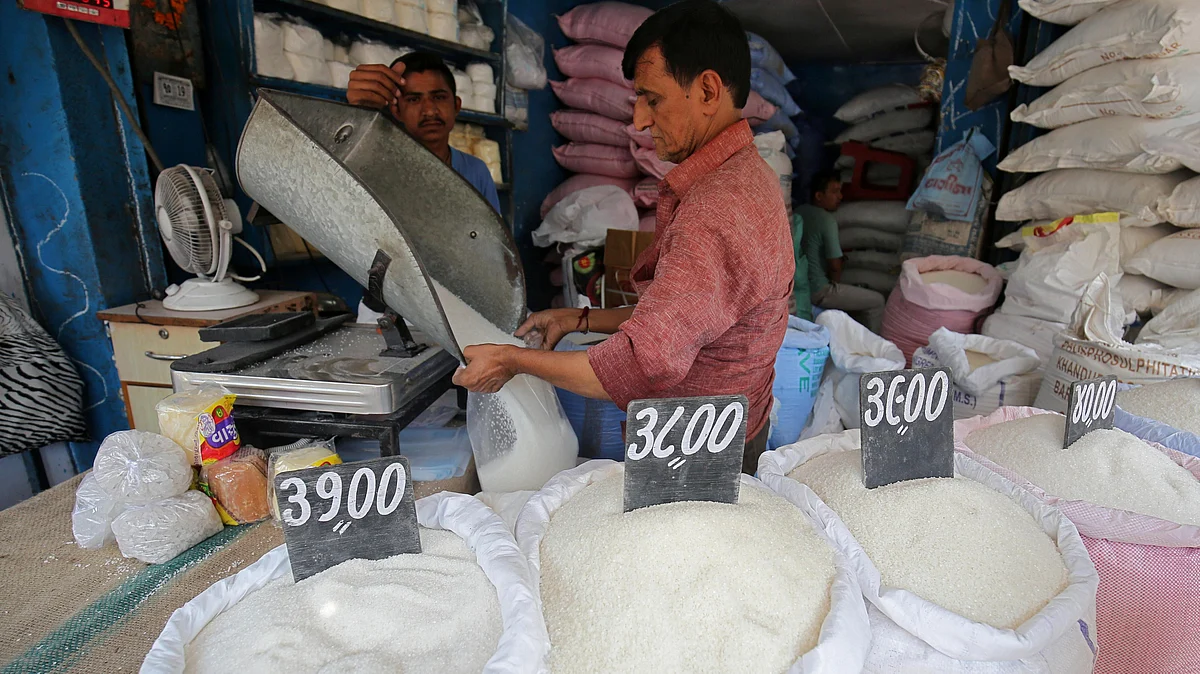
Sugar prices in India have started to decrease after the central government authorized the import of 1 million tonnes of raw sugar and imposed stricter limits on stock accumulation by major buyers. According to Business Standard, citing data from the National Commodity & Derivatives Exchange, medium-grade sugar prices in Kolhapur, Maharashtra fell from approximately ₹6,350 per quintal on August 21 to roughly ₹5,550 per quintal on August 25, marking a decline of around 12.6% over four days.
Prices in Muzaffarnagar, however, remained relatively stable at about ₹5,800 per quintal. The government's interventions seem to have temporarily alleviated domestic market pressures, but the durability of the price drop is not guaranteed, especially with the upcoming sugarcane crushing season slated to commence in late October.
Analysts believe sugar prices falling below ₹5,000 per quintal might put additional strain on sugar mills if the downward trend persists. Production costs for sugar are estimated between ₹4,200-4,300 per quintal. In an effort to boost domestic supply, Indian refineries are reportedly set to redirect approximately 350,000 tonnes of sugar intended for overseas markets to local consumers, which could reach the market within a week, according to sources cited by Bloomberg.
Festival demand adds an additional layer of concern, as domestic sugar consumption usually spikes during India's festival season, which starts in late August and extends through January. The government's import decision initially supported global sugar prices, though international prices have since softened due to expectations that India may import less than the authorized quota.
Various traders, analysts, and millers surveyed by Bloomberg estimate that 300,000-600,000 tonnes might actually be imported by the end of October, falling short of the government's 1-million-tonne allowance. Softer domestic prices might diminish the motivation for refiners and mills to procure the entire permitted quantity.
Written by urgent.news from Free Press Journal's reporting — not their text. Machine-written — may contain errors; check the original before relying on it.