Stop Touching Your Keyboard. Use This AI-Powered Microphone Instead
The Relay Q, due next year, is the latest attempt to reposition voice as the most seamless method for human-computer interaction.
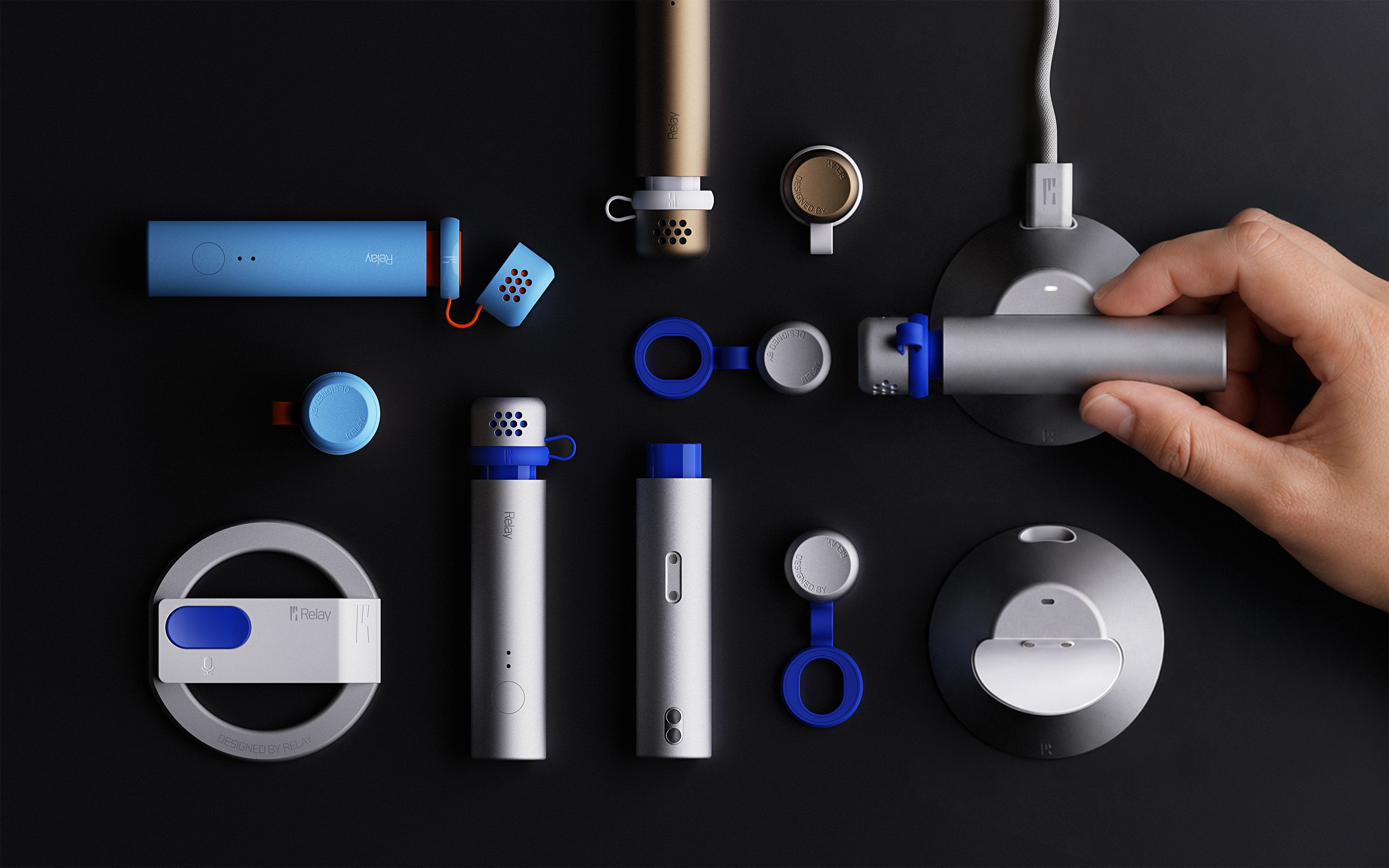
A new startup called Relay is entering the market with a dedicated, portable microphone designed for high-fidelity voice-to-text anywhere. The company, based in London, was founded by ex-Nothing employees Cookie Xu and Raymond Zhu. While Relay's software is now available, the hardware, called the Relay Q, will not be on the market until early 2027.
Co-founder Zhu explains that during their time at Nothing, they relied on Wispr Flow's transcription software for typing messages. However, they faced challenges with the software's ability to pick up different volumes, leading them to seek out dedicated hardware.
Currently, Relay is exclusive to macOS, where it integrates seamlessly with the text fields on any device. Users can activate Relay by pressing and holding a designated hotkey in any text field, triggering the voice-to-text engine powered by Google's Gemini models. The software can perform contextual actions, like sending Slack messages or creating calendar events in Google Calendar, using preset skills or custom skills enabled by the user.
Relay stores data locally on the user's device, with an option to manually edit or delete it. When data is sent for processing, it passes through Relay's servers to Google's servers, but the company does not retain the data. However, the AI models require access to the user's microphone and the ability to record a snapshot of the user's screen to execute their skills. While the voice-to-text accuracy isn't perfect, Relay can handle misspeaks and insert emojis when needed.
The Relay Q is a cylindrical device with a microphone at one end, which can be held down in the middle to activate Relay or clipped to a shirt for hands-free operation. The device's software can be customized for specific individuals, ensuring professional messages to bosses, casual messages to friends, and even translations for international colleagues.
Zhu envisions a future where voice-to-text technology could significantly reduce the need for keyboard input, potentially even to the point of having a wearable microphone that captures every word without the need for manual input.
Written by urgent.news from Wired's reporting — not their text. Machine-written — may contain errors; check the original before relying on it.