South Korea hands police more power even as dead bodies expose the lies
On a farm up in the hills of South Korea’s Jeju Island, investigators this week uncovered what a mother had spent three months fearing they would not find: the body of her daughter. Jang Mi-ran, 37, vanished without a trace in May. Police records would later show her case had been quietly closed without anyone ever verifying if she was alive. It was the second such discovery in a matter of days.…
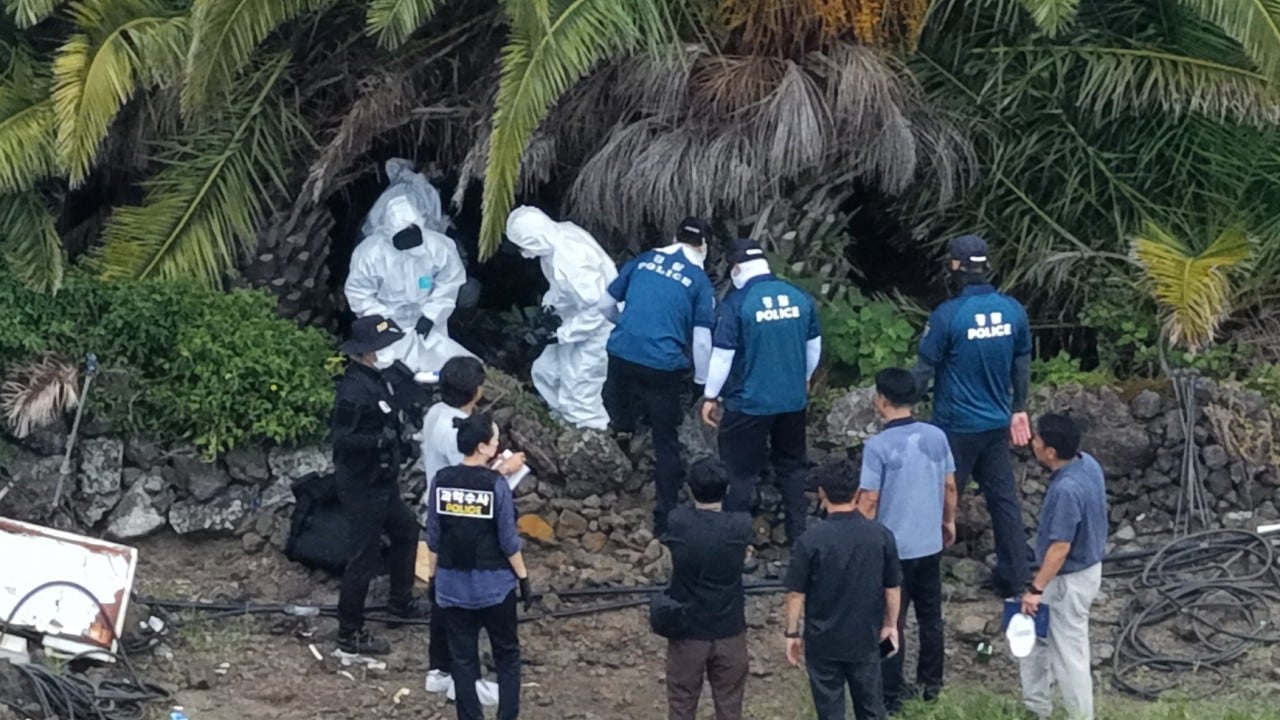
On South Korea's Jeju Island, investigative authorities recently discovered the remains of a woman who had disappeared three months earlier. Jang Mi-ran, 37, had vanished without a trace in May, and police had quietly closed her case without verifying her fate. The second such discovery occurred days later, when the skeletal remains of a man in his sixties were found.
Both cases had been handled by the same officer, whose identity remains undisclosed. President Lee Jae Myung condemned the breakdown in police discipline and irresponsibility, calling for the establishment of a dedicated government body to oversee police operations. He noted that power concentrated in a single agency often leads to problems, emphasizing the need for strengthened responsibility due to the large size of the police force.
The president acknowledged public skepticism about the police's ability to handle such extensive authority responsibly. A second scandal emerged in Gwangju, where a police inspector was arrested for allegedly destroying evidence in a high-profile murder case involving the son of a senior police official. These incidents have sparked widespread public outrage and highlighted concerns about the police's capacity for accountability and oversight.
Written by urgent.news from South China Morning Post's reporting — not their text. Machine-written — may contain errors; check the original before relying on it.