South Africa's Car Industry Is Winning and Losing at the Same Time
There is a strange contradiction sitting at the heart of South Africa's automotive sector in 2026. By one measure, it has never performed better: naamsa's Automotive Trade Manual puts 2025 export earnings at a record R291 billion, up from R268.8 billion the year before, with 414,271 vehicles shipped to 109 countries. By another measure, the industry that builds those cars is under real strain,…
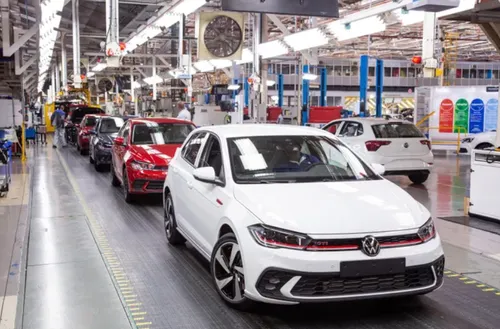
South Africa's automotive industry is experiencing both growth and loss simultaneously. Vehicle sales surged to 597,338 units in 2025 and continued to rise in the first half of 2026. However, much of this growth is attributed to imported vehicles from China and India. The Industrial Development Corporation reports that Chinese imports contributed to a R140 billion trade deficit with China alone.
Nissan's Rosslyn plant, once a significant local production hub, has been sold to Chery and will be retooled for Chery Group vehicles starting in 2027. This marks a shift in South African car production from a legacy Japanese brand to a rising Chinese one. Thailand, once dubbed the "Detroit of Asia," dealt with similar import pressures and responded with local-content rules and export-oriented policies, now assembling two million vehicles annually.
Australia, on the other hand, allowed protection to lapse, leading to the closure of all local manufacturing plants.
South Africa's APDP2 program aims to replicate Thailand's success by generating nearly R4 in domestic manufacturing value for every rand of support, and contributing R8 in export earnings. However, critics argue that the program is slow to adapt to China and India's aggressive export support. The sector still provides over 115,000 jobs and contributes significantly to GDP and manufacturing value-add.
Importantly, 70.5% of local light-vehicle production is exported, primarily to Europe. The African Continental Free Trade Area's new automotive rules of origin offer a potential pivot towards continental exports. The ultimate outcome will depend on the swiftness with which policymakers act.
Written by urgent.news from IOL's reporting — not their text. Machine-written — may contain errors; check the original before relying on it.