Some tumours could ‘recruit’ nerves to help them grow
US scientists have uncovered an unexpected relationship between immune cells, nerves and an aggressive form of breast cancer.
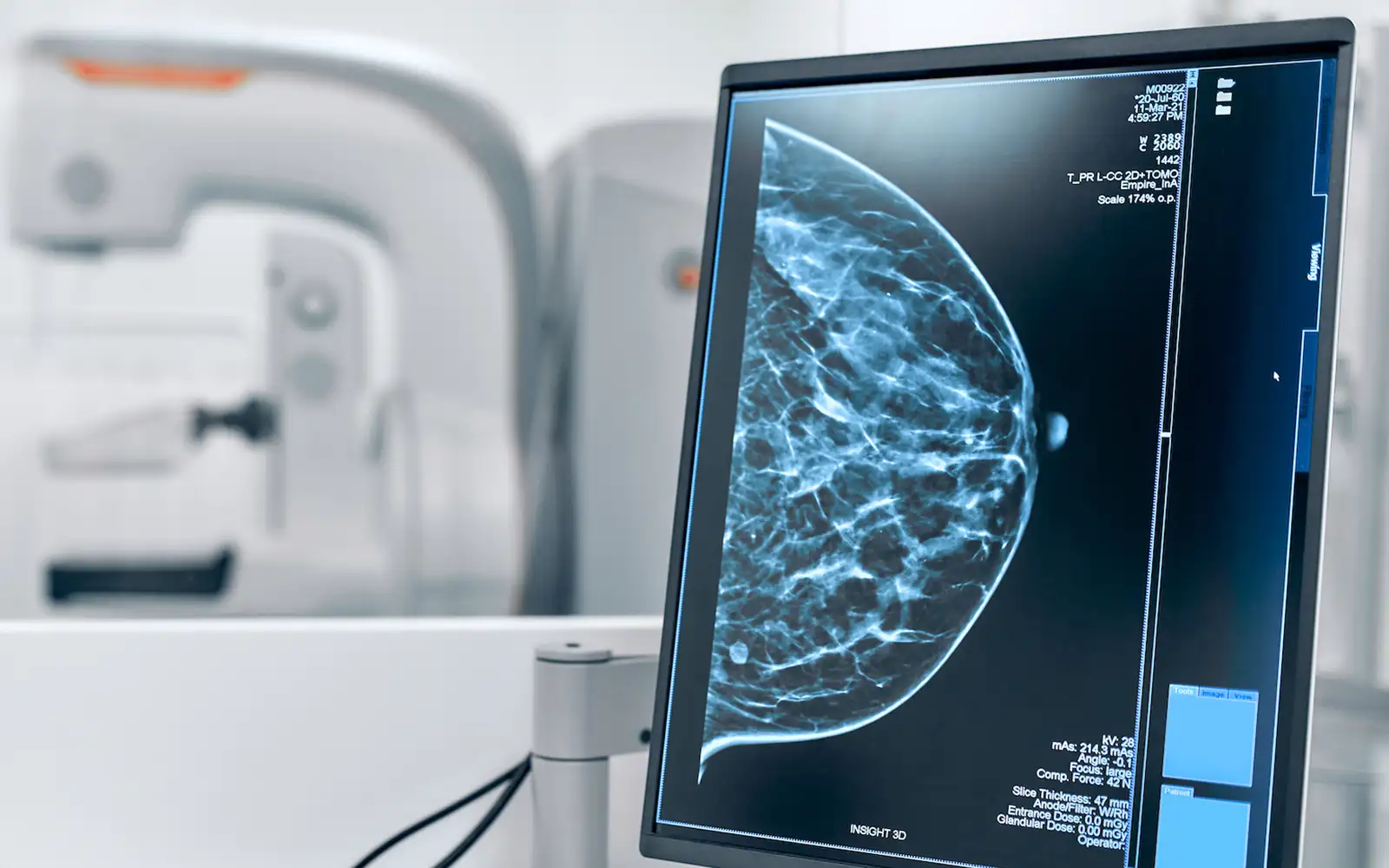
Recent studies suggest that certain aggressive forms of breast cancer, known as triple-negative breast cancer (TNBC), may recruit immune cells to aid their growth and spread. TNBC accounts for approximately 15% of all breast cancers and is known for its resistance to traditional treatments due to the lack of estrogen and progesterone receptors, as well as low levels of HER2 protein.
Unlike regular breast tumors, these tumors are embedded within a complex network of blood vessels, immune cells, and connective tissue, including nerves. In a study published in the journal Cell Death & Differentiation, researchers discovered that TNBC could utilize macrophages, a type of immune cell typically tasked with infection-fighting and tissue repair, to recruit sensory nerves to the tumor.
The process is facilitated by a protein called brain-derived neurotrophic factor (BDNF), which normally supports nerve cell growth and survival. In the tumor-associated macrophages, BDNF encouraged nearby sensory nerves to extend into the tumor, a process known as axonogenesis. This discovery indicates that nerves within the tumor environment may not be passive bystanders but rather active contributors to tumor growth.
The study's senior researcher, Dr. Maureen Cox from the University of Oklahoma, emphasized that macrophages serve as the critical source of nerves being drawn into the tumor. Although macrophages generally perform beneficial functions in the body, this study reveals how TNBC can repurpose them to serve malignant purposes. TNBC's treatment options are limited, and the disease is often more aggressive and prone to recurrence.
The findings suggest that targeting the communication between immune cells and nerves could present a new avenue for combating this challenging cancer. Researchers tested a drug that disrupted the signaling pathway used by BDNF and found that it reduced nerve growth within the tumors and the overall tumor size in mouse models. However, this is still preclinical research, and any potential treatment must undergo further testing and development before being considered for human patients.
The researchers plan to investigate the precise roles nerves play within the tumor, including their potential to stimulate blood vessel growth, modify the immune response around the cancer, or provide pathways for cancer cell spread. While more research is needed, this discovery contributes to the understanding that cancer treatment may need to consider the broader tumor microenvironment, including interactions between cancer cells and nerves, to develop more effective therapies.
Written by urgent.news from Free Malaysia Today's reporting — not their text. Machine-written — may contain errors; check the original before relying on it.
This story
This is one outlet's version. Read the fullest account.
- Some tumours could ‘recruit’ nerves to help them grow freemalaysiatoday.com