Snails Can Make Their Slime Sticky, Slippery, Foamy or Hard Depending on Their Needs. Here's How They Tweak Their Multipurpose Mucus
The critters can alter the proportions of calcium and collagen in the versatile substance, which changes the protein structure. The different textures can help snails glide, climb or protect themselves
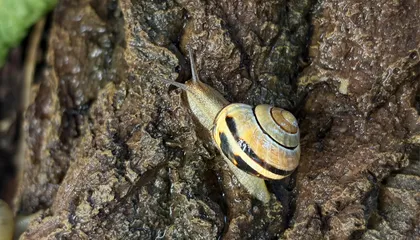
Snails are well-known for their slime trails, but their mucus serves a variety of purposes beyond just leaving a mess. Its texture can be altered to be either slippery, sticky, foamy, or even hard, depending on the needs of the snail. Scientists have now discovered how land snails manipulate their slime to achieve these varying properties.
The researchers found that the snails adjust the proportions of collagen and calcium in their mucus to change its mechanical properties. Studies published in the journal Science revealed that snails can produce five different types of mucus by altering their slime production methods. For instance, snails left to roam in a glass bowl secrete a slick, lubricant mucus, while gently detaching them from terrarium walls results in sticky, adhesive mucus.
The snails also produce foamy and thick, yellow defensive mucus when poked or prodded by researchers. Furthermore, snails create hardened mucus membranes called epiphragms during hibernation. The molecular composition of each mucus type was analyzed, revealing that they are primarily made of the same proteins, but the protein amounts differ based on the slime's purpose.
The main structural protein is collagen VI, which is crucial in human skin, bones, and joints. The scientists also observed that calcium content varies depending on the mucus type. More collagen and calcium lead to stiffer, more cohesive, and sticky mucus. Calcium ions interact with proteins, influencing the slime's density. The team found calcium stored as granules of calcium carbonate in the snails' mucus-secreting tissue, allowing the snails to add calcium as needed.
The findings suggest that calcium, often associated with hard tissues like shells and bones, has broader applications in materials. The study's implications could inspire the development of environmentally friendly products like adhesives and lubricants inspired by snail mucus.
Written by urgent.news from Smithsonian's reporting — not their text. Machine-written — may contain errors; check the original before relying on it.