Ring rolls out new privacy-focused encryption that could limit what it can hand over to police
With TAKE, which is rolling out as the default for users worldwide, each Ring camera encrypts footage with keys that rotate every five minutes, either on-device on newer models or upon reaching the cloud on older ones. Read Entire Article
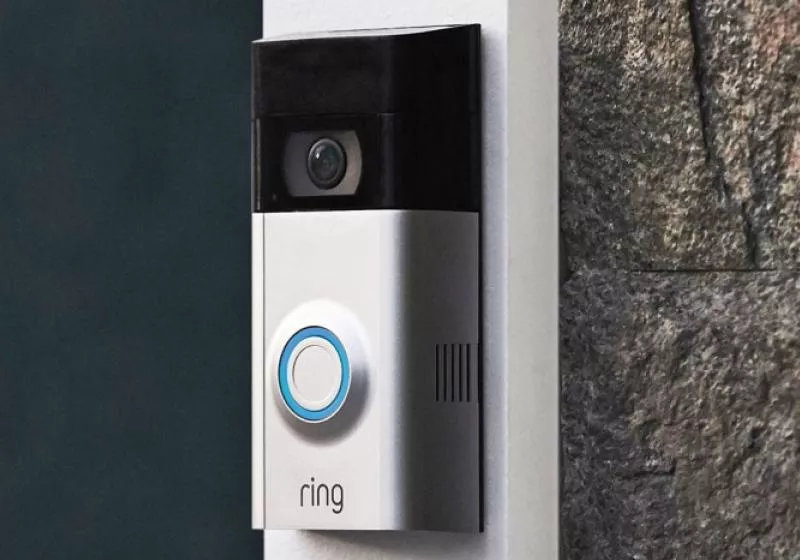
Ring, the Amazon-owned company behind popular video doorbells and home security systems, has introduced a new encryption system called TAKE (Throw Away the Key Encryption). This innovation aims to address privacy concerns surrounding its products, which have faced scrutiny for years. With TAKE, each Ring camera encrypts footage using keys that change every five minutes, either directly on newer devices or upon reaching the cloud on older models.
Ring can temporarily access these keys via an isolated AWS Nitro Enclave to support features like Smart Alerts, Video Search, and Video Descriptions. After 24 hours, the encrypted keys are permanently deleted, while the owner retains their own copies. If older footage needs to be processed by the user, the Ring app can provide the necessary key, which Ring then deletes afterward.
To maintain privacy, Ring also offers an alternative end-to-end encryption option, though this disables certain cloud processing features. The new encryption standard, built on Messaging Layer Security (MLS), an open encryption standard, allows users to recover their keys on a new device if they lose their current one. Ring's spokesperson stated that the company can only share non-video information, like basic subscriber data, in response to valid law enforcement requests like warrants, subpoenas, and court orders.
This includes encrypted video files alongside non-video information in such cases. The move to adopt TAKE as the default encryption method aims to alleviate privacy concerns, but the company's history of privacy and security issues, including past allegations of unauthorized video access and a $5.8 million FTC settlement, may still raise doubts among privacy-conscious users.
Written by urgent.news from TechSpot's reporting — not their text. Machine-written — may contain errors; check the original before relying on it.