Rechtsextremismus: Rechtsextreme „Artgemeinschaft“: Durchsuchungen nach Verbot
Das Bundesinnenministerium hat die rechtsextreme „Artgemeinschaft“ 2023 verboten. Anhänger des Vereins sollen aber weiter aktiv geblieben sein. Warum ermittelt wird.
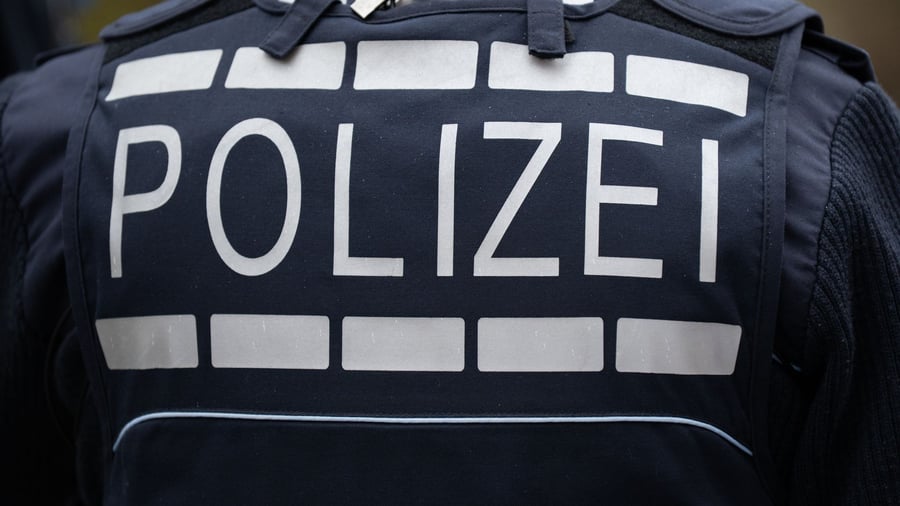
Police conducted searches across five German states in pursuit of members of the banned extreme-right group called "Artgemeinschaft." The investigation stems from a case involving 15 accused individuals, according to a spokeswoman from the Halle public prosecutor's office. They are accused of maintaining the "Artgemeinschaft" despite a nationwide ban.
Earlier reports emerged from "Spiegel" and "Volksstimme." The searches have been ongoing since the morning in Saxony-Anhalt, Berlin, Brandenburg, Lower Saxony, and North Rhine-Westphalia, involving forces from the state criminal police offices. In North Rhine-Westphalia, a property in Lippstadt and two locations in Berlin were targeted.
In Saxony-Anhalt, several properties in Gardelegen were searched, allegedly linked to a gathering for a "Summer Solstice Feast" in June. The group, known officially as "Artgemeinschaft – Germanische Glaubens-Gemeinschaft wesensgemäßer Lebensgestaltung," was banned by the federal interior minister Nancy Faeser (SPD) in April, 2023.
The court deemed the group as a "sect-like, deeply racist and anti-Semitic organization." Established by teacher Wilhelm Kusserow in 1951, the group had around 150 members before its ban, according to the Federal Center for Political Education. The association promoted its own "Art" and used swastikas at Christmas trees. The central objective was the preservation and promotion of its own "Art," which the interior ministry considered synonymous with the Nazi concept of "race."
The organization attempted to portray itself as a closed association in court, insisting politics had nothing to do with it. Members lived out their beliefs "in private," their attorney explained. If the group's ideology was deemed unconstitutional, that would not override religious freedom, the court ruled, but found the group drew on the Nazi societal model and was connected to far-right elements.
Many members reportedly retained private contact with the group, which triggered suspicion of violating the ban, prompting the searches.
Written by urgent.news from Handelsblatt's reporting — not their text. Machine-written — may contain errors; check the original before relying on it.