PURC seeks safeguards for utility lines amid construction
Speaking during a media engagement in the Western Region, PURC Executive Secretary, Dr Shafic Suleman, said the Commission will engage the Ministry of Roads and Highways, contractors and utility providers to find a more proactive approach to protecting critical infrastructure.
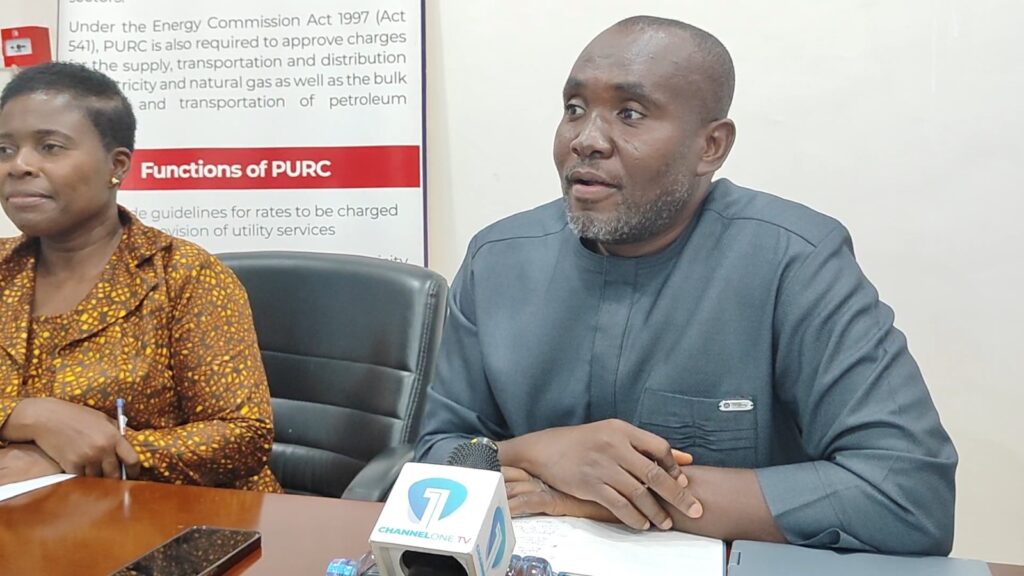
The Public Utilities Regulatory Commission (PURC) is set to convene road contractors and utility service providers to discuss the escalating damage to water and other utility infrastructure caused by construction activities. This initiative comes in response to reports of significant interference with major pipelines and other facilities in various parts of the country due to the intensified road construction under the Big Push program.
At a press conference in the Western Region, PURC Executive Secretary, Dr Shafic Suleman, announced that the Commission will collaborate with the Ministry of Roads and Highways, contractors, and utility providers to establish a more proactive strategy for safeguarding essential infrastructure. Dr Suleman emphasized that utility companies must furnish contractors with comprehensive maps indicating all major transmission and distribution lines and pipelines to facilitate construction operations.
Contractors found to have damaged critical utility infrastructure, despite having access to the necessary information, may be held responsible for the expenses incurred in restoring services. The PURC plans to create a platform for affected utility companies to address service restoration while ensuring that the responsible contractor bears the financial burden.
Consumers whose water or electricity supply is disrupted by construction work are urged to inform the Commission of the issue. PURC has already received and resolved several complaints and has been in communication with the Ministry of Roads and Highways regarding the need for contractors to protect utility installations. A recent visit by the PURC delegation to the Daboase Water Treatment Plant, which is undergoing a €70-million expansion project, revealed that the new facility will increase water production for the Sekondi-Takoradi area and nearby communities.
With a design capacity of 100,000 cubic meters of water per day, the plant is expected to substantially enhance water supply in Takoradi and Sekondi. However, Dr Suleman noted that while the completion of the facility will improve water supply, ongoing challenges with transmission pipelines persist. Ghana Water has assured that the pipeline connecting the Daboase plant to the twin cities will also be expanded as part of the project's second phase, which will also include an additional treatment plant and pipeline expansion.
Dr Suleman cautioned that despite the enhanced treatment capacity, the region's water challenges will not be fully resolved if illegal mining continues to contaminate water sources. He pointed out that galamsey activities along water sources exacerbate the cost of water treatment and pose a threat to sustainable water supply. Previously, PURC has identified siltation from construction and galamsey activities as major challenges affecting water supply in the Western Region.
Written by urgent.news from MyJoyOnline Ghana's reporting — not their text. Machine-written — may contain errors; check the original before relying on it.
Also reported by 2 other outlets
- PURC seeks safeguards for utility lines amid construction adomonline.com
- PURC seeks safeguards for utility lines amid construction myjoyonline.com