Prediction Markets Face Divided Courts and a Widening Political Fight
Prediction markets are expanding under federal protections that remains contested in court, while Congress has yet to advance legislation settling how they should operate. The result is an unstable regulatory landscape in which federal registration offers platforms neither assured nationwide access nor insulation from state gambling enforcement. Sections III and IV of K&L Gates’ 2026 […] The post…

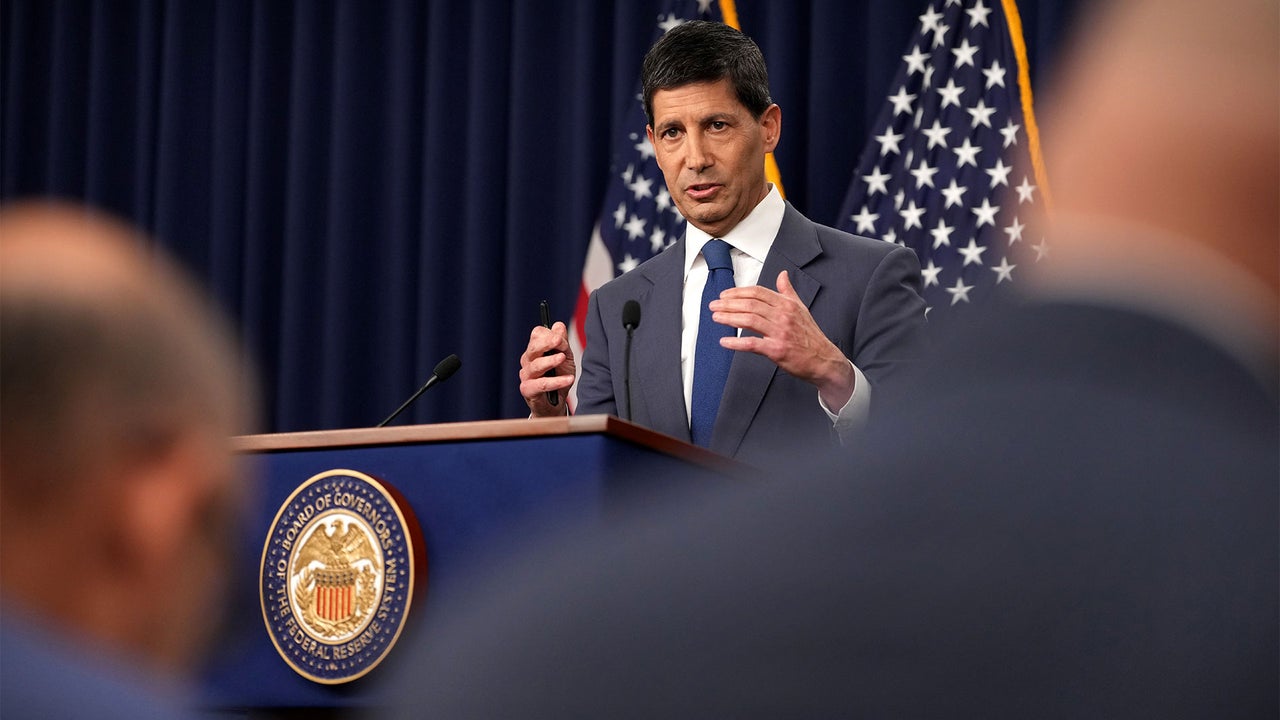
Prediction markets are currently navigating a complex regulatory landscape due to divided courts and ongoing political debates. While federal protections exist, the way these markets should operate remains unclear. The lack of comprehensive legislation has left the regulatory landscape unstable, with platforms facing neither assured nationwide access nor protection from state gambling enforcement.
Two major disputes highlighted in a K&L Gates report are what restrictions Congress should impose on event contracts and whether existing federal derivatives law displaces state gambling laws. The Trump administration's push for exclusive federal oversight has further fueled these disputes. However, despite numerous bills introduced in the 119th Congress, none have progressed to full legislative status.
A few notable pieces of legislation have emerged, such as the Campaign Funds Integrity Act, which would prohibit using campaign funds for prediction-market transactions, and the STOP Corrupt Bets Act, which would restrict contracts involving sports, military action, elections, and federal government actions. Other proposals target deceptive advertising, promotional claims, and age verification methods, including mandatory facial recognition.
The legal issue of whether sports event contracts qualify as swaps under the Commodity Exchange Act and thus fall under federal regulation is still undecided. A divided Third Circuit ruled in favor of Kalshi in April, granting preliminary relief against New Jersey enforcement. However, appeals are pending in other circuits. Lower-court outcomes in Michigan, Wisconsin, Arizona, Minnesota, and tribal jurisdictions add to the uncertainty surrounding this issue.
Political tensions are high, with 20 states involved in litigation and 44 states signing a letter criticizing prediction markets. Traditional gambling companies are lobbying states to act, arguing that federally registered competitors avoid licensing, taxes, and protections associated with sports betting. Donald Trump Jr., an adviser to Kalshi and Polymarket, has urged Republican attorneys general to embrace federal oversight, though he distances himself from direct involvement with the federal government for his advised or invested entities.
The political and legal battles surrounding prediction markets remain unresolved, with legislative proposals and pending appeals shaping the future of how these platforms can function. Platforms and their partners must navigate a rapidly evolving regulatory environment, uncertain of the eventual impact of these ongoing debates.
Written by urgent.news from PYMNTS's reporting — not their text. Machine-written — may contain errors; check the original before relying on it.