Polls reveal local utility hikes and noise drive US data center protests, not anti-AI sentiment— beliefs and political affiliation had minimal impact on AI data center views
Data centers are facing bipartisan resistance from across the nation, but what's the reason behind this? The answer seems to be deceptively simple.
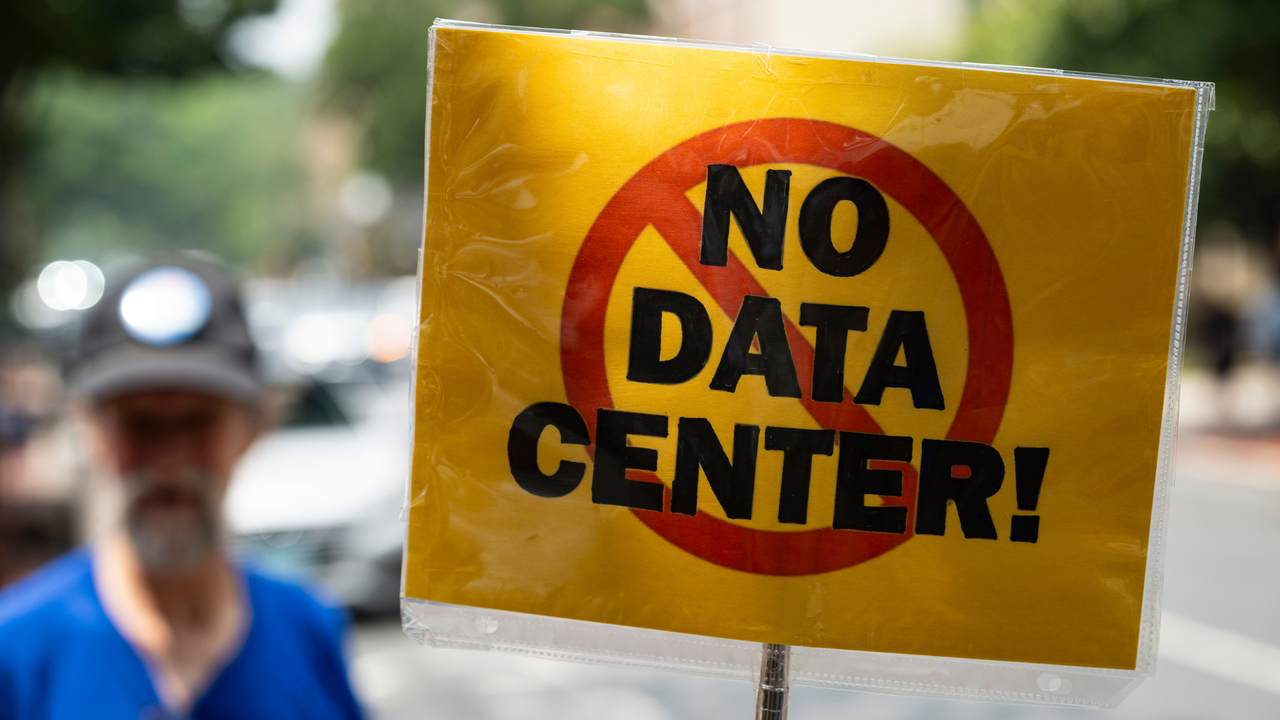
The proliferation of data centers in the United States has been met with widespread protests and opposition. While the pushback against these developments has been extensive, with over a hundred simultaneous protests occurring across the nation, researcher Andy Masley sought to uncover the underlying reasons behind the resistance.
After analyzing data from multiple polls, Masley concluded that the primary factors driving the pushback are local environmental and economic concerns, rather than opposition to artificial intelligence (AI) or big tech companies.
One of the most significant issues causing public concern is the enormous amount of electricity consumed by data centers. As these facilities require grid operators like PJM Interconnection to expand their infrastructure to meet their energy needs, this demand has led to substantial price increases for consumers. Utility bills have risen by up to 76%, prompting President Donald Trump to require tech giants, AI hyperscalers, utility operators, and state governors to sign a pledge that data centers "pay their own way" in terms of electricity costs.
However, this pledge has proven insufficient in alleviating the financial burden on American households. Oregon stands out as the only state to have enacted legislation requiring data centers using 20MW or more to shoulder their own expenses. PGE, the state's largest power provider, has since increased data center bills by 30% while simultaneously reducing residential costs by 1.3%.
In addition to soaring electricity costs, data centers have also been linked to water and noise pollution issues. For instance, two data centers in Georgia and another in Wyoming have been reported to cause water problems in surrounding neighborhoods, including low water pressure, muddy water, and contaminated reclamation water supplies. Furthermore, some data centers generate noise pollution, with one facility producing noise continuously, as if a vacuum cleaner were operating in an individual's living space.
These "object-level" concerns are well-documented and observable in various locations. However, some media coverage has either exaggerated the issues or only presented the concerns of residents without providing context or comparing them to other existing data centers. Consequently, many individuals have become apprehensive about the potential adverse effects of proposed data centers in their communities.
Furthermore, some data center developers have contributed to the apprehension by refusing to negotiate moratoriums and bans, even resorting to suing local jurisdictions. In Pennsylvania, a town listed 43 specific demands that the developer deemed "too difficult," leading to the cancellation of negotiations and a subsequent reapplication attempt. The local council criticized this approach as an attempt to secure approval through "approval by tantrum."
Written by urgent.news from Tom's Hardware's reporting — not their text. Machine-written — may contain errors; check the original before relying on it.