Pollen Robotics’ Microduck aims to make training physical AI far less fragile and cheaper
Pollen Robotics’ Microduck is a tiny $399 biped designed to make physical AI training more accessible, letting developers experiment with new robotic behaviors on hardware that can survive the occasional tumble.
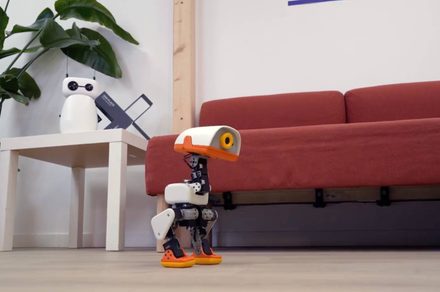
Pollen Robotics and Hugging Face have unveiled Microduck, a 25cm tall waddling biped robot designed to bring AI training to desks and development tables. Preorders for the $399 robot, including four color options, opened today with deliveries expected before Christmas 2026. Unlike its predecessor, Microduck is a compact, 10-inch by 5.5-inch device weighing under two pounds that is built to mimic the movements of a duck, with a camera, depth sensor, two IMUs, and 15 motors for action-based tasks.
Microduck's unique design features an articulated beak for object manipulation, a camera, a depth sensor, two IMUs, and the ability to walk, crouch, and even roller-skate. The robot's balance allows it to recover from most falls, reducing the need for constant supervision during testing. While Microduck's appearance may be toy-like, it is targeted at developers who want to train physical AI behaviors, serving as a user-friendly testbed for sim-to-real machine learning.
The robot comes with pre-installed gamepad controls, laser-following, and seven trained moves, and it generates its own voice upon startup. Pollen Robotics has also made the SDK, robot software, and reinforcement learning tools available on GitHub, encouraging collaboration among developers. The robot's release comes as a reminder of the importance of failure in learning and as AI continues to reshape the job market, requiring new skills and adaptability.
Written by urgent.news from Digital Trends's reporting — not their text. Machine-written — may contain errors; check the original before relying on it.